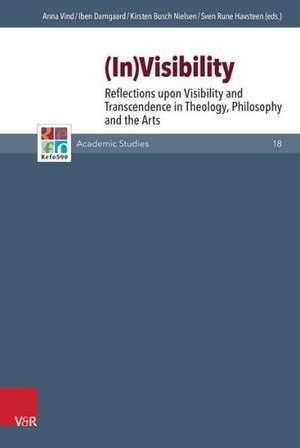
(In)Visibility: Refo500 Academic Studies, cartea 18
Editat de Anna Vind, Iben Damgaard, Kirsten Busch Nielsen, Sven Rune Havsteenen Limba Engleză Hardback – 31 aug 2014
Considerăm că volumul (In)Visibility este o resursă academică esențială pentru cercetătorii și studenții implicați în studiul teologiei protestante și al istoriei ideilor, fiind o piesă centrală în cadrul seriei Refo500 Academic Studies. Relevanța acestei lucrări pentru programele de doctorat și acreditările în teologie sistematică rezidă în capacitatea sa de a reevalua conceptul de transcendență prin prisma vizibilității, acoperind un interval istoric vast, din secolul al XVI-lea până în prezent. Structurată riguros în cinci părți, lucrarea debutează cu o analiză fenomenologică a modurilor de apariție și ascundere a fenomenelor, oferind fundamentul teoretic pentru discuțiile ulterioare despre limbaj și antropologie.
Subliniem rigoarea cu care editorii au selectat contribuțiile ce explorează „limbajul ca mod de revelare”, investigând cum poate fi exprimat inefabilul prin cuvinte. Spre deosebire de Art and Mysticism de Louise Nelstrop, care se concentrează pe potențialul mistic al imaginilor în tradiția creștină occidentală generală, (In)Visibility aplică o lentilă specifică asupra Europei protestante, analizând discursurile teologice din spatele mediilor artistice precum muzica, arhitectura și inventarul liturgic. De asemenea, lucrarea acoperă o arie tematică similară cu Between the Image and the Word de Trevor Hart, însă (In)Visibility adoptă o abordare mai interdisciplinară, integrând cercetări din teoria artei și sociologia comunităților vizibile, pe lângă perspectiva teologică pură. Cele 51 de figuri incluse susțin vizual argumentația complexă despre manifestarea „dincolo-ului” în concretul material.
Din seria Refo500 Academic Studies
- 26%
 Preț: 987.06 lei
 - 25%
 Preț: 750.95 lei
 - 23%
 Preț: 731.01 lei
 - 19%
 Preț: 605.90 lei
 - 13%
 Preț: 1014.10 lei
 - 13%
 Preț: 754.67 lei
 - 9%
 Preț: 836.09 lei
 - 9%
 Preț: 977.43 lei
 - 34%
 Preț: 542.93 lei
 - 9%
 Preț: 641.29 lei
 - 9%
 Preț: 1210.19 lei
 - 9%
 Preț: 753.67 lei
 - 9%
 Preț: 1277.48 lei
 - 23%
 Preț: 687.40 lei
 - 13%
 Preț: 757.19 lei
 - 13%
 Preț: 860.25 lei
Preț: 1044.28 lei
Preț vechi: 1147.56 lei
-9%
Carte disponibilă
Livrare economică 16-30 noiembrie
Specificații
ISBN-10: 3525550715
Pagini: 592
Ilustrații: with ca. 51 figures
Dimensiuni: 155 x 232 mm
Greutate: 0 kg
Editura: VANDENHOECK & RUPRECHT
Seriile Refo500 Academic Studies, Refo500 Academic Studies (R5as)
V-ar putea interesa
-
 The Church for the World: A Theology of Public WitnessJennifer McBride-11%Preț: 313.67 lei353.37 lei
 -
 Theology: A Very Short IntroductionDavid Ford-19%Preț: 57.65 lei71.42 lei
 -
 -34%Preț: 914.40 lei1379.15 lei
 -
 Researching Practice in Ministry and MissionHelen CameronPreț: 204.27 lei
 -
 The Problem of EvilDaniel SpeakPreț: 140.19 lei
 -
 What Shall We Say?Thomas G. LongPreț: 130.00 lei
 -
 Jesus or NothingDan DeWittPreț: 84.23 lei
 -
 Figuring Out the ChurchAidan NicholsPreț: 100.38 lei
 -
 How to Share Your Faith with AnyoneTerry BarberPreț: 85.57 lei
 -
 Are Non-Christians Saved?Ambrose MongPreț: 171.21 lei
 -
 Preț: 239.23 lei
De ce să citești această carte
Recomandăm această carte specialiștilor în studii religioase și istoria artei care doresc să înțeleagă cum a negociat protestantismul tensiunea dintre divinitatea invizibilă și manifestările sale tangibile. Cititorul câștigă o perspectivă profundă asupra modului în care arta, limbajul și emoția servesc drept punți către transcendent, totul într-un format academic de lux, riguros documentat și ilustrat.
Despre autor
Volumul este coordonat de un colectiv de editori de prestigiu, printre care se numără Anna Vind, Iben Damgaard, Kirsten Busch Nielsen și Sven Rune Havsteen. Aceștia sunt cercetători afiliați unor instituții academice europene de renume, având expertiză solidă în teologie sistematică, filozofie și istoria bisericii. Contribuția lor colectivă reflectă standardele înalte ale proiectului Refo500, o platformă internațională dedicată studierii impactului Reformei asupra lumii moderne, asigurând o abordare pluridisciplinară și critică asupra textelor și fenomenelor analizate.