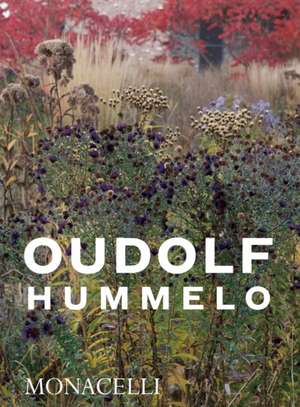
Hummelo
Autor Piet Oudolf, Noel Kingsburyen Limba Engleză Paperback – 9 mar 2021
Descoperim în Hummelo o perspectivă intimă, aproape privată, asupra universului creativ al lui Piet Oudolf, accesibilă până acum doar vizitatorilor care treceau pragul casei sale din estul Olandei. Nu este doar o prezentare de proiecte finalizate, ci o cronică vizuală a laboratorului viu unde s-au născut conceptele ce au revoluționat peisagistica modernă, de la High Line din New York până la Lurie Garden. Observăm cum o fermă dărăpănată din 1982 s-a transformat, pe parcursul a trei decenii, într-un manifest al sustenabilității, unde structura plantelor perene devine la fel de importantă ca inflorescența lor. Subliniem calitatea experiențială a celor peste 400 de pagini; fotografia luxuriantă ne permite să simțim ritmul lent al anotimpurilor, de la semințele uscate și ierburile aurii din timpul iernii, până la explozia controlată de culori din vară. Textul semnat de Noel Kingsbury oferă rigoare istorică, ancorând estetica lui Oudolf în mișcarea contraculturii olandeze și în ecologia aplicată. Complementar volumului Planting the Natural Garden din aceeași perioadă artistică, dar cu o perspectivă mult mai personală și biografică, Hummelo nu se rezumă la scheme de plantare, ci explică filosofia din spatele lor. Reținem integrarea eseurilor tehnice despre „matrix planting”, care transformă acest album de artă într-un instrument de învățare pentru orice pasionat de design naturalistic. Este o incursiune rară în viața de zi cu zi a unui vizionar care a ales să lucreze cu timpul și degradarea naturală a plantelor, transformând efemerul într-o formă de artă permanentă.
Preț: 212.09 lei
Preț vechi: 259.43 lei
-18%
Carte disponibilă
Livrare economică 10-24 noiembrie
Specificații
ISBN-10: 1580935702
Pagini: 416
Dimensiuni: 228 x 172 x 37 mm
Greutate: 1.54 kg
Editura: The Monacelli Press
V-ar putea interesa
-
 Piet OudolfPiet Oudolf-15%Preț: 274.66 lei324.12 lei
 -
 Garden PeopleUrsula Buchan-17%Preț: 102.25 lei123.92 lei
 -
 Dream Plants for the Natural GardenHenk GerritsenPreț: 147.40 lei
 -
 Daniel OstKengo Kuma-17%Preț: 430.07 lei520.27 lei
 -
 Hilfiger HomesTommy Hilfiger-14%Preț: 417.95 lei488.44 lei
 -
 The Art of Fine GardeningCraig BergmannPreț: 346.89 lei
 -
 Courtyard HomesJoann PlockovaPreț: 342.35 lei
 -
 Planting: A New PerspectiveNoel Kingsbury-24%Preț: 208.06 lei273.58 lei
 -
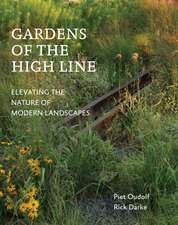 -22%Preț: 278.78 lei359.02 lei
 -
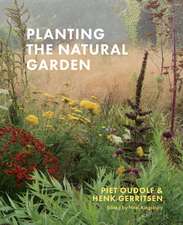 Planting the Natural GardenHenk Gerritsen-26%Preț: 199.15 lei268.30 lei
 -
 This Creative LifeRobyn Lea-14%Preț: 278.89 lei324.81 lei
 -
 Unfurled: Designing a Living HomeHilton Carter-21%Preț: 156.00 lei197.98 lei
 -
 The Garden Book: Mini FormatTim RichardsonPreț: 136.53 lei
 -
 Piet Oudolf At WorkPiet Oudolf-18%Preț: 416.25 lei510.00 lei
 -
 The Contemporary GardenAnnie GuilfoylePreț: 387.41 lei
 -
 BibliofloraJeanne BatistePreț: 213.75 lei
 -
 Persuasion of PlaceCheryl Weber-8%Preț: 398.62 lei433.29 lei
 -
 The Oudolf Gardens at Durslade FarmRory Dusoir-18%Preț: 230.66 lei281.45 lei
 -
 Oui!Delphine Manivet-20%Preț: 129.49 lei161.01 lei
 -
 Living NordicChris van Uffelen-19%Preț: 258.46 lei317.53 lei
De ce să citești această carte
Recomandăm această carte oricui dorește să înțeleagă rădăcinile designului contemporan axat pe biodiversitate. Cititorul câștigă acces la treizeci de ani de experimente botanice și învață să aprecieze grădina dincolo de perioada de înflorire. Este o resursă esențială pentru arhitecți peisagiști și grădinari amatori care caută să creeze spații sustenabile, vibrante și pline de textură pe tot parcursul anului.