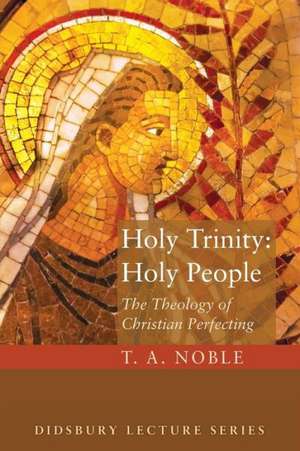
Holy Trinity: The Theology of Christian Perfecting: Didsbury Lecture
Autor T. A. Noble, Thomas a. Nobleen Limba Engleză Paperback – 18 feb 2013
În volumul Holy Trinity, publicat în seria Didsbury Lecture, descoperim o reevaluare teologică a conceptului de „perfecțiune creștină”, un termen adesea considerat dificil sau controversat în spațiul protestant. Suntem de părere că noutatea acestei ediții rezidă în abordarea sa trinitară: autorul nu privește sfințirea ca pe un efort individual de izolare, ci ca pe o participare la dragostea treimică a lui Dumnezeu. Apreciem modul în care T. A. Noble reușește să lege tradiția patristică și medievală — reprezentată de figuri precum Augustin sau Toma d'Aquino — de teologia harului promovată de John Wesley.
Această lucrare reprezintă o alternativă academică la A Plain Account of Christian Perfection de John Wesley pentru cursurile de teologie sistematică sau istoria doctrinelor, cu avantajul că oferă un cadru critic contemporan și o fundamentare dogmatică mai largă, incluzând hristologia și ispășirea. Față de The John Wesley Reader on Christian Perfection, care se concentrează pe textele primare, Noble propune o sinteză proprie, adaptată culturii actuale. În contextul operei sale, dacă Called To Be Saints documenta istoria Bisericii Nazarineanului, Holy Trinity marchează o maturizare spre teologia speculativă, oferind instrumentele necesare pentru a înțelege sfințenia nu ca pe un simplu atribut moral, ci ca pe o dinamică a comuniunii divine. Structura cărții este riguroasă, ghidând cititorul de la analiza motivației umane până la fundamentele trinitare ale vieții creștine.
Preț: 172.46 lei
Carte disponibilă
Livrare economică 05-19 noiembrie
Specificații
ISBN-10: 1620327201
Pagini: 260
Dimensiuni: 152 x 229 x 15 mm
Greutate: 0.36 kg
Editura: CASCADE BOOKS
Seria Didsbury Lecture
V-ar putea interesa
-
 Scenes of Clerical LifeGeorge Eliot-18%Preț: 70.96 lei86.75 lei
 -
 Preț: 111.80 lei
 -
 Douglas John HallDavid B. LottPreț: 256.82 lei
 -
 The Human Person in Theology and PsychologyJames R BeckPreț: 196.26 lei
 -
 Faith and Film: Theological Themes at the CinemaBryan P. StonePreț: 143.90 lei
 -
 Living on the Boundaries: Evangelical Women, Feminism and the Theological AcademyNicola Hoggard CreeganPreț: 171.75 lei
 -
 The Burning Heart, John WesleyA. Skevington WoodPreț: 251.49 lei
 -
 The Rhetoric of Newman's Apologia pro Catholica, 1845-1864Victor J. Lams-23%Preț: 597.16 lei775.52 lei
 -
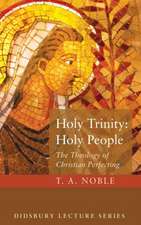 Holy TrinityThomas a. NoblePreț: 274.37 lei
 -
 Research for the Academy and the ChurchThomas a. NoblePreț: 153.52 lei
 -
 The Sanctity of Human LifeDavid Novak-27%Preț: 990.26 lei1356.52 lei
 -
 Life Is A Trip And Then...T A NoblePreț: 118.97 lei
 -
 African CryJean-Marc ÉlaPreț: 123.86 lei
 -
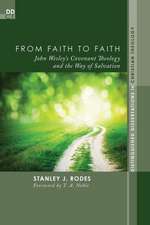 From Faith to FaithStanley J. RodesPreț: 229.95 lei
 -
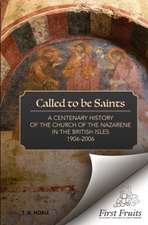 Preț: 100.50 lei
 -
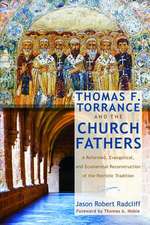 Thomas F. Torrance and the Church FathersJason Robert RadcliffPreț: 206.68 lei
 -
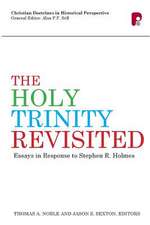 The Holy Trinity RevisitedThomas a. NoblePreț: 146.06 lei
 -
 Systematic TheologyRobert Duncan CulverPreț: 251.13 lei
De ce să citești această carte
Recomandăm această carte teologilor și studenților interesați de moștenirea lui John Wesley și de mișcarea „Holiness”. Cititorul câștigă o perspectivă nuanțată asupra sfințirii, eliberată de rigorismul legalist și ancorată în dogma centrală a creștinismului: Sfânta Treime. Este un instrument esențial pentru cei care doresc să reconcilieze spiritualitatea practică cu rigoarea teologiei sistematice într-un limbaj academic accesibil.
Despre autor
T. A. Noble este un distins specialist în teologie sistematică și istorică, ocupând funcția de profesor la Nazarene Theological Seminary din Kansas City, Missouri. De asemenea, activează ca Senior Research Fellow în cadrul Nazarene Theological College din Manchester, Regatul Unit. Expertiza sa în tradiția wesleyană este recunoscută la nivel internațional, servind recent în calitate de președinte al Wesleyan Theological Society. Lucrările sale, precum Called To Be Saints, reflectă un interes profund pentru istoria și doctrina sfințeniei, îmbinând cercetarea academică cu o înțelegere profundă a tradițiilor bisericești răsăritene și apusene.