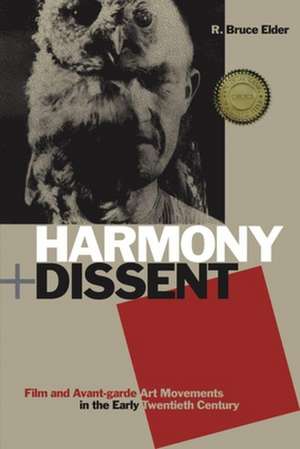
Harmony + Dissent
Autor R Bruce Elderen Limba Engleză Paperback – 22 apr 2010
Preț: 312.00 lei
Puncte Express: 468
Carte disponibilă
Livrare economică 01-15 august
Livrare prin curier în România Termenul estimat este afișat lângă disponibilitate.
Transport gratuit de la 400.00 lei Plată online sau ramburs, în funcție de opțiunile comenzii.
Retur gratuit în 14 zile Comandă securizată și suport în română.
Specificații
ISBN-13: 9781554582266
ISBN-10: 1554582261
Pagini: 516
Ilustrații: black & white illustrations
Dimensiuni: 149 x 219 x 31 mm
Greutate: 0.73 kg
Ediția:Nouă
Editura: Wilfrid Laurier University Press
Locul publicării:Canada
ISBN-10: 1554582261
Pagini: 516
Ilustrații: black & white illustrations
Dimensiuni: 149 x 219 x 31 mm
Greutate: 0.73 kg
Ediția:Nouă
Editura: Wilfrid Laurier University Press
Locul publicării:Canada
V-ar putea interesa
-
 -26%Preț: 206.95 lei280.21 lei
 -
 The Oxford Handbook of Dance and the Popular ScreenMelissa Blanco Borelli-14%Preț: 1005.11 lei1168.73 lei
 -
 Lady in the Dark – Iris Barry and the Art of FilmRobert SittonPreț: 358.76 lei
 -
 VideotextsPeggy GalePreț: 283.73 lei
 -
 Picture ThisMolly Bang-15%Preț: 116.79 lei137.56 lei
 -
 Image and IdentityR. Bruce ElderPreț: 336.21 lei
 -
 Avatar and Nature SpiritualityBron TaylorPreț: 330.79 lei
 -
 Detecting CanadaJeannette SloniowskiPreț: 334.20 lei
 -
 Reclaiming Canadian BodiesLynda MannikPreț: 408.88 lei
Cuprins
Table of Contents for
Harmony and Dissent: Film and Avant-garde Art Movements in the Early Twentieth Century by R. Bruce Elder
Preface
PART 1: Modernism and the Absolute Film
The Overcoming of Representation
1. The Philosophical and Occult Background to the Absolute Film
Photography, Modernity, and the Crisis of Vision
The Analogy to Music
Absolute Film and Visibility: The Theories of Conrad Fiedler
Bergson and Intuition
Abstraction and the Occult
The Extraordinary Influence of Annie Besant and Charles Leadbeater's Thought Forms
Vibratory Modernism: Rudolf Steiner, Anthroposophy, and Synaesthesia
2. Modernism and the Absolute Film
The Absolute Film: Precursors and Parallels
Precursors of the Absolute Cinema: Light Sculpture
Precursors of the Absolute Film: The Scroll
Precursors of the Absolute Cinema: The Colour Organ and the Lichtspiel
More on Vibratory Modernism: The Esoteric Background to the Absolute Film
Abstract Film and Its Earlier Occult Predecessors
A Possible Egyptian Connection for Kircher's Steganographic Mirror
Huygens, Robertson, and Their Colleagues: Popular Magic
Spiritualism and the New Technology
Léopold Survage and the Origins of the Absolute Film
Walther Ruttmann and the Origins of the Absolute Film
Hans Richter and Viking Eggeling: The Absolute Film as the Fulfillment of Modern Art Movements
The Language of Art: Constructivism, Reason, and Magic
Eggeling's Integrity
Towards a Generalbaß der Malerei
Goethe as Precursor
Kandinsky, Eggeling, and Richter: Colour as Feeling, Rhythm as Form
Rhythmus 21 and the Generalbaß der Malerei
The End of the Absolute Film
PART 2: Modernism and Revolution
Constructivism Between Marxism and Theology
3. Spiritual Interests in Late-Nineteenth-Century and Early-Twentieth-Century Russia
Symbolism, Theology, and Occultism
Solovyov's Influence
4. Symbolism and Its Legacies
Symbolism, the Spiritual Ideal, and the Avant-garde
Symbolism: The Crucible of the Russian Avant-garde
Malevich, or the Persistence of the Symbolist Ideal
Symbolism and Its Descendents: Suprematism
Zaum and Perlocutionary Poetics
Malevich and Higher Reality
Malevich, Suprematism, and Schopenhauer
Symbolism and Its Descendants: Cubo-Futurism
Vitebsk and Symbolism
Symbolism and its Descendents: FEKS
5. Constructivism: Between Productivism and Suprematism
Symbolism and Its Descendents: Constructivism
6. Eisenstein, Constructivism and the Dialectic
The Fact: Nature and Its Transformation
The Theory of the Dialectic and the Concept of Transformation
The Concept of Transformation in Earlier and Later Eisenstein
Eisenstein, Bely, Russia, and the Magic of Language
Rudolf Steiner's Anthroposophy and the Avant-garde
Rosicrucianism and the Theory of Transformation
What Would Eisenstein Have Heard in a Rosicrucian Lodge?
Rosicrucianism and Eisenstein's Aesthetic Theory
Constructivism and Counterscience
The Engineer of Human Souls
Fechner and the Science of Effects
The Cinema and Spiritual Technology
The Cinema and X-rays
Nikolai Fedorov's Cosmicism
The New Body
Mexico and Mallarmé
Eisenstein, the Monistic Ensemble, and Symbolism
Eisenstein, Symbolism, and the Fourth Dimension
Eisenstein's Pangraphism and the Theory of Imitation
Mimesis, Pangraphism, and Language of Adam
Eisensten and Symbolist Colour Theory
Concluding Unscientific Postscript
Appendix: Viking Eggeling's Diagonal-Symphonie: An Analysis
Shot Description/Analysis
Index
Harmony and Dissent: Film and Avant-garde Art Movements in the Early Twentieth Century by R. Bruce Elder
Preface
PART 1: Modernism and the Absolute Film
The Overcoming of Representation
1. The Philosophical and Occult Background to the Absolute Film
Photography, Modernity, and the Crisis of Vision
The Analogy to Music
Absolute Film and Visibility: The Theories of Conrad Fiedler
Bergson and Intuition
Abstraction and the Occult
The Extraordinary Influence of Annie Besant and Charles Leadbeater's Thought Forms
Vibratory Modernism: Rudolf Steiner, Anthroposophy, and Synaesthesia
2. Modernism and the Absolute Film
The Absolute Film: Precursors and Parallels
Precursors of the Absolute Cinema: Light Sculpture
Precursors of the Absolute Film: The Scroll
Precursors of the Absolute Cinema: The Colour Organ and the Lichtspiel
More on Vibratory Modernism: The Esoteric Background to the Absolute Film
Abstract Film and Its Earlier Occult Predecessors
A Possible Egyptian Connection for Kircher's Steganographic Mirror
Huygens, Robertson, and Their Colleagues: Popular Magic
Spiritualism and the New Technology
Léopold Survage and the Origins of the Absolute Film
Walther Ruttmann and the Origins of the Absolute Film
Hans Richter and Viking Eggeling: The Absolute Film as the Fulfillment of Modern Art Movements
The Language of Art: Constructivism, Reason, and Magic
Eggeling's Integrity
Towards a Generalbaß der Malerei
Goethe as Precursor
Kandinsky, Eggeling, and Richter: Colour as Feeling, Rhythm as Form
Rhythmus 21 and the Generalbaß der Malerei
The End of the Absolute Film
PART 2: Modernism and Revolution
Constructivism Between Marxism and Theology
3. Spiritual Interests in Late-Nineteenth-Century and Early-Twentieth-Century Russia
Symbolism, Theology, and Occultism
Solovyov's Influence
4. Symbolism and Its Legacies
Symbolism, the Spiritual Ideal, and the Avant-garde
Symbolism: The Crucible of the Russian Avant-garde
Malevich, or the Persistence of the Symbolist Ideal
Symbolism and Its Descendents: Suprematism
Zaum and Perlocutionary Poetics
Malevich and Higher Reality
Malevich, Suprematism, and Schopenhauer
Symbolism and Its Descendants: Cubo-Futurism
Vitebsk and Symbolism
Symbolism and its Descendents: FEKS
5. Constructivism: Between Productivism and Suprematism
Symbolism and Its Descendents: Constructivism
6. Eisenstein, Constructivism and the Dialectic
The Fact: Nature and Its Transformation
The Theory of the Dialectic and the Concept of Transformation
The Concept of Transformation in Earlier and Later Eisenstein
Eisenstein, Bely, Russia, and the Magic of Language
Rudolf Steiner's Anthroposophy and the Avant-garde
Rosicrucianism and the Theory of Transformation
What Would Eisenstein Have Heard in a Rosicrucian Lodge?
Rosicrucianism and Eisenstein's Aesthetic Theory
Constructivism and Counterscience
The Engineer of Human Souls
Fechner and the Science of Effects
The Cinema and Spiritual Technology
The Cinema and X-rays
Nikolai Fedorov's Cosmicism
The New Body
Mexico and Mallarmé
Eisenstein, the Monistic Ensemble, and Symbolism
Eisenstein, Symbolism, and the Fourth Dimension
Eisenstein's Pangraphism and the Theory of Imitation
Mimesis, Pangraphism, and Language of Adam
Eisensten and Symbolist Colour Theory
Concluding Unscientific Postscript
Appendix: Viking Eggeling's Diagonal-Symphonie: An Analysis
Shot Description/Analysis
Index
Notă biografică
R. Bruce Elder is an award-winning filmmaker and teaches media at Ryerson University. His book Harmony & Dissent (WLU Press, 2008) received the prestigious Robert Motherwell Book Prize and was named a Choice Outstanding Academic Book. Rudolf Kuenzli described DADA, Surrealism, and the Cinematic Effect (WLU Press, 2013) as "that rare book that casts the early twentieth-century avant-garde in a very new light."