
Guyana: Acarai-Corentyne Corridor: Rapid Biological and Social Inventories Report 32: Rapid Biological and Social Inventories
Editat de Nigel Pitman, Cameron Rutt, Lesley de Souza, Elliott Oakley, Farah Carrasco-Rueda, Sophie Picq, Jeremy Campbellen Limba Engleză Paperback – 26 dec 2025
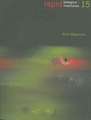
In November 2024, local Indigenous experts joined forces with Guyanese and international scientists to explore a vast wilderness of remote rivers and rainforests in southern Guyana. Together, this large multidisciplinary team recorded the complex history and deep ecological knowledge of nearby Indigenous communities, alongside the geology, plants, and vertebrates of this 1.5 million-hectare expanse. Using a variety of time-tested and cutting-edge techniques, they uncovered an abundance of previously undocumented stone carvings, a spectacular diversity of plants and animals, and an undisturbed landscape harboring dozens of undescribed species.
This comprehensive report synthesizes those discoveries, consolidating them into a clear set of ideas about how Guyana can leverage these lands and waters to advance its ambitious conservation goals. The text is in English, with summaries in Waiwai, Wapishana, and Trio.
Preț: n/a
Nou
Disponibilitate incertă
Doresc să fiu notificat când acest titlu va fi disponibil:
Se trimite...
Specificații
ISBN-13: 9798218622114
Pagini: 300
Ilustrații: 25 color plates, 41 halftones, 28 maps
Dimensiuni: 216 x 279 x 23 mm
Greutate: 0.97 kg
Editura: Field Museum Of Natural History
Colecția Field Museum Of Natural History
Seria Rapid Biological and Social Inventories
Pagini: 300
Ilustrații: 25 color plates, 41 halftones, 28 maps
Dimensiuni: 216 x 279 x 23 mm
Greutate: 0.97 kg
Editura: Field Museum Of Natural History
Colecția Field Museum Of Natural History
Seria Rapid Biological and Social Inventories
Notă biografică
Nigel Pitman is a botanist in the Keller Science Action Center at the Field Museum, Chicago.
Cuprins
04 Permits
05 Participants
11 Institutional profiles
14 Acknowledgments
18 Study area context
20 Mission and approach
21 Rapid Inventory 32 by the numbers
22 Acarai-Corentyne Corridor by the numbers
23 Executive summary
32 Why the Acarai-Corentyne Corridor?
33 Color plates
57 Conservation targets
64 Assets and opportunities
66 Threats
68 Recommendations
73 Executive summary in other languages
73 Waiwai
77 Wapishana
81 Trio
85 Technical Report
85 Prior biodiversity surveys and expected species lists
89 Regional panorama and site descriptions
102 Geology, hydrology, and soils
109 Vegetation and flora
117 Fishes
121 Amphibians and reptiles
129 Birds
138 Mammals
151 Environmental DNA
159 Local ecological knowledge
170 Social landscape
185 Appendices
186 (1) Vascular plants
208 (2) Fish sampling stations
210 (3) Fishes
226 (4) Regional checklist of amphibians and reptiles
231 (5) Amphibians and reptiles
236 (6) Birds
254 (7) Mammals
262 (8) Environmental DNA
278 (9) Local ecological knowledge
281 Literature cited
293 Imagery credits
294 Published reports
296 Compendium of geographic data
05 Participants
11 Institutional profiles
14 Acknowledgments
18 Study area context
20 Mission and approach
21 Rapid Inventory 32 by the numbers
22 Acarai-Corentyne Corridor by the numbers
23 Executive summary
32 Why the Acarai-Corentyne Corridor?
33 Color plates
57 Conservation targets
64 Assets and opportunities
66 Threats
68 Recommendations
73 Executive summary in other languages
73 Waiwai
77 Wapishana
81 Trio
85 Technical Report
85 Prior biodiversity surveys and expected species lists
89 Regional panorama and site descriptions
102 Geology, hydrology, and soils
109 Vegetation and flora
117 Fishes
121 Amphibians and reptiles
129 Birds
138 Mammals
151 Environmental DNA
159 Local ecological knowledge
170 Social landscape
185 Appendices
186 (1) Vascular plants
208 (2) Fish sampling stations
210 (3) Fishes
226 (4) Regional checklist of amphibians and reptiles
231 (5) Amphibians and reptiles
236 (6) Birds
254 (7) Mammals
262 (8) Environmental DNA
278 (9) Local ecological knowledge
281 Literature cited
293 Imagery credits
294 Published reports
296 Compendium of geographic data