
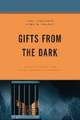
Gifts from the Dark: Learning from the Incarceration Experience: Critical Perspectives on Race, Crime, and Justice
Autor Joni Schwartz, John R. Chaneyen Limba Engleză Hardback – 21 apr 2021
| Toate formatele și edițiile | Preț | Express |
|---|---|---|
| Paperback (1) | 243.13 lei 6-8 săpt. | +0.00 lei 7-13 zile |
| Bloomsbury Publishing – 11 mai 2022 | 243.13 lei 6-8 săpt. | +0.00 lei 7-13 zile |
| Hardback (1) | 523.73 lei 6-8 săpt. | |
| Bloomsbury Publishing – 21 apr 2021 | 523.73 lei 6-8 săpt. |

Preț: 523.73 lei
Preț vechi: 790.72 lei
-34%
Puncte Express: 786
Preț estimativ în valută:
92.75€ • 108.32$ • 80.57£
92.75€ • 108.32$ • 80.57£
Carte tipărită la comandă
Livrare economică 21 februarie-07 martie
Preluare comenzi: 021 569.72.76
Specificații
ISBN-13: 9781498591706
ISBN-10: 1498591701
Pagini: 264
Dimensiuni: 163 x 228 x 23 mm
Greutate: 0.5 kg
Editura: Bloomsbury Publishing
Colecția Lexington Books
Seria Critical Perspectives on Race, Crime, and Justice
Locul publicării:New York, United States
ISBN-10: 1498591701
Pagini: 264
Dimensiuni: 163 x 228 x 23 mm
Greutate: 0.5 kg
Editura: Bloomsbury Publishing
Colecția Lexington Books
Seria Critical Perspectives on Race, Crime, and Justice
Locul publicării:New York, United States
Cuprins
Part I: Adult Transformative Learning and the Prison Experience
Chapter 1: Prison Writing: A Literary Tradition
Chapter 2: Incarceration: The Disorienting Dilemma toward Transformation
Chapter 3: Transformation: A Brave Act
Chapter 4: Understanding the Role of Race and Gender
Part II: Learning that Transforms the Self
Chapter 5: Sitting with Yourself: Cells of Silence and Solitude
Chapter 6: The Organic Intellectual
Chapter 7: Higher & Continuing Education: Attracting the Best Students
Chapter 8: Exercising Body and Mind: Habits and Flow
Chapter 9: Emotional Intelligence and the Prison Experience
Part III: Learning in Relation to Others
Chapter 10: The Black Family and the Incarceration Experience
Chapter 11: The Prison Experience and Technology
Chapter 12: Non-verbal Communication
Part IV: Learning that Transforms the World
Chapter 13: Giving Back
Chapter 14: Criminal Justice Reform: Everyone's Responsibility
Chapter 1: Prison Writing: A Literary Tradition
Chapter 2: Incarceration: The Disorienting Dilemma toward Transformation
Chapter 3: Transformation: A Brave Act
Chapter 4: Understanding the Role of Race and Gender
Part II: Learning that Transforms the Self
Chapter 5: Sitting with Yourself: Cells of Silence and Solitude
Chapter 6: The Organic Intellectual
Chapter 7: Higher & Continuing Education: Attracting the Best Students
Chapter 8: Exercising Body and Mind: Habits and Flow
Chapter 9: Emotional Intelligence and the Prison Experience
Part III: Learning in Relation to Others
Chapter 10: The Black Family and the Incarceration Experience
Chapter 11: The Prison Experience and Technology
Chapter 12: Non-verbal Communication
Part IV: Learning that Transforms the World
Chapter 13: Giving Back
Chapter 14: Criminal Justice Reform: Everyone's Responsibility
Recenzii
Compelling, eye opening, and captivating. Schwartz and Chaney provide a fresh look on an age-old phenomenon: Incarceration. Their unique approach of inviting diverse voices through primary sources and testimonies of formerly incarcerated persons who spanned geographic space and time, racial and gender identity location, as well as type of conviction offers the reader a different perspective on the prison experience. This perspective highlights the transformative learning potentiality born from the dark recesses of imprisonment. It reminds us that saving the soul of America hinges on rescuing our humanity from the inhumanity of a justice system built on racist ideology and practices.
Gifts from the Dark sounds a valuable and timely call to heed the voices of those who have experiences of incarceration, especially when it comes to reforming the criminal legal system and advancing racial and social justice. As this book makes abundantly clear, those with lived experience of prison have much to offer based on the insight and wisdom that can be attained, and the personal transformation that can take place, in the face of deeply challenging and disruptive circumstances. Chaney and Schwartz persuasively show that our society has much to gain from these illuminating perspectives.
The authors of Gifts from the Dark masterfully navigate the reader's intellectual dissonance against the existence of physical, emotional, and psychological experiences of incarceration serving as counterpaces for transformational learning to occur. The is a timely and compelling analysis of the economic and social politicization of prison experiences; forcing the reader to grapple with this paradox.
Here, Schwartz and Chaney brilliantly explore the theme of personal transformation enhanced by incarceration.. The authors provide numerous interesting asides, such as discussing pedagogy versus andragogy, finding happiness in prison, and coping with learning during a pandemic. They also discuss Black family cultural dynamics in comprehending the links between race and incarceration and show that electronic monitoring is not proven to support corrections.Recommended. Lower-division undergraduates through faculty; professionals.
Gifts from the Dark sounds a valuable and timely call to heed the voices of those who have experiences of incarceration, especially when it comes to reforming the criminal legal system and advancing racial and social justice. As this book makes abundantly clear, those with lived experience of prison have much to offer based on the insight and wisdom that can be attained, and the personal transformation that can take place, in the face of deeply challenging and disruptive circumstances. Chaney and Schwartz persuasively show that our society has much to gain from these illuminating perspectives.
The authors of Gifts from the Dark masterfully navigate the reader's intellectual dissonance against the existence of physical, emotional, and psychological experiences of incarceration serving as counterpaces for transformational learning to occur. The is a timely and compelling analysis of the economic and social politicization of prison experiences; forcing the reader to grapple with this paradox.
Here, Schwartz and Chaney brilliantly explore the theme of personal transformation enhanced by incarceration.. The authors provide numerous interesting asides, such as discussing pedagogy versus andragogy, finding happiness in prison, and coping with learning during a pandemic. They also discuss Black family cultural dynamics in comprehending the links between race and incarceration and show that electronic monitoring is not proven to support corrections.Recommended. Lower-division undergraduates through faculty; professionals.