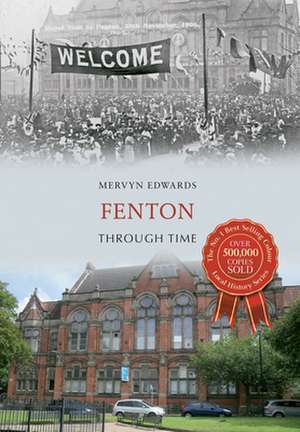
Fenton Through Time
Autor Mervyn Edwardsen Limba Engleză Paperback – 15 oct 2014
Preț: 113.01 lei
Puncte Express: 170
Carte indisponibilă temporar
Doresc să fiu notificat când acest titlu va fi disponibil:
Se trimite...
Specificații
ISBN-13: 9781445617329
ISBN-10: 1445617323
Pagini: 96
Ilustrații: illustrated
Dimensiuni: 165 x 234 x 8 mm
Greutate: 0.31 kg
Editura: Amberley Publishing
ISBN-10: 1445617323
Pagini: 96
Ilustrații: illustrated
Dimensiuni: 165 x 234 x 8 mm
Greutate: 0.31 kg
Editura: Amberley Publishing
Notă biografică
Mervyn Edwards is the author of many published books on North Staffordshire history and is a weekly columnist for the Sentinel's The Way We Were nostalgia magazine. He has appeared on BBC TV's The One Show and Twenty Four Hours in the Past, and is a familiar voice on Radio Stoke. He was a local history tutor for the Workers' Educational Association for eight years and helped to develop the education department at the now-defunct Chatterley Whitfield Mining Museum, where he often acted in period drama for school groups. Mervyn runs an annual history programme in North Staffordshire. He is also MC of Burslem History Club and a member of the Potteries branch of the Campaign For Real Ale (CAMRA).
Descriere
This fascinating selection of photographs traces some of the many ways in which Fenton has changed and developed over the last century.