
Fanny Hill: Harper Perennial Forbidden Classics, cartea 01
Autor John Clelanden Limba Engleză Paperback – 19 ian 2009
What s a penniless country girl to do in the big city?
Fanny Hill is a blushing country maiden until tragic circumstances force her to seek a new life in London. She is taken in by the motherly Mrs Brown, but on her first night she receives a rather unorthodox welcome from one of the young ladies in the house and swiftly gains a much more explicit idea of what is expected in her new role. Fanny takes to carnal pleasures with gusto, and she vividly recalls each lusty encounter, every thrusting conquest, in her saucy, voyeuristic and thoroughly irresistible memoirs."



Preț: 72.04 lei
Puncte Express: 108
Carte indisponibilă temporar
Doresc să fiu notificat când acest titlu va fi disponibil:
Se trimite...
Specificații
ISBN-13: 9780007300419
ISBN-10: 0007300417
Pagini: 288
Dimensiuni: 113 x 177 x 23 mm
Greutate: 0.22 kg
Editura: HarperCollins Publishers
Seria Harper Perennial Forbidden Classics
Locul publicării:United Kingdom
ISBN-10: 0007300417
Pagini: 288
Dimensiuni: 113 x 177 x 23 mm
Greutate: 0.22 kg
Editura: HarperCollins Publishers
Seria Harper Perennial Forbidden Classics
Locul publicării:United Kingdom
V-ar putea interesa
-
 EmmanuelleEmmanuelle ArsanPreț: 70.63 lei
 -
 Robinson CrusoeDaniel DefoePreț: 28.01 lei
 -
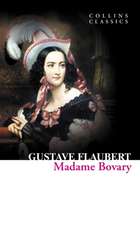 Madame BovaryGustave FlaubertPreț: 28.01 lei
 -
 Lady Chatterley's LoverD. H. LawrencePreț: 28.01 lei
 -
 Forbidden FlowersNancy Friday-19%Preț: 64.51 lei79.22 lei
 -
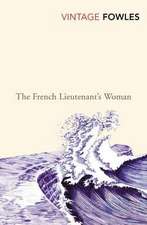 The French Lieutenant's WomanJohn Fowles-24%Preț: 61.82 lei80.83 lei
 -
 PamelaSamuel Richardsøn-23%Preț: 62.28 lei81.09 lei
 -
 Fanny Hill or Memoirs of a Woman of PleasureJohn Cleland-38%Preț: 57.55 lei92.17 lei
 -
 Tropic of CancerHenry Miller-26%Preț: 58.70 lei78.97 lei
 -
 The World of SexHenry MillerPreț: 42.45 lei
 -
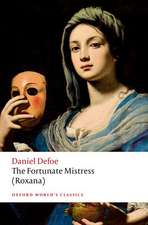 The Fortunate Mistress (Roxana)Daniel Defoe-19%Preț: 69.99 lei86.39 lei
 -
 Memoirs of a Woman of PleasureJohn Cleland-18%Preț: 47.08 lei57.70 lei
 -
 Mary AnneDaphne du MaurierPreț: 80.29 lei
 -
 A Maid's Ruin: a gripping saga of love and betrayalLynne FrancisPreț: 64.87 lei
 -
 -26%Preț: 53.81 lei72.49 lei
 -
 Story Of OPauline Reage-19%Preț: 58.35 lei71.93 lei
 -
 Fanny and StellaNeil MckennaPreț: 94.55 lei
 -
 SoldPatricia MccormickPreț: 74.61 lei
 -
 God's Little AcreErskine CaldwellPreț: 133.43 lei
 -
 The Scandal of the CenturyLisa HiltonPreț: 79.52 lei
 -
 Memoirs of a CoxcombJohn ClelandPreț: 89.51 lei
 -
 FillyRosamund Taylor-18%Preț: 88.40 lei108.27 lei
 -
 Libertine LondonJulie Peakman-7%Preț: 184.03 lei198.55 lei
 -
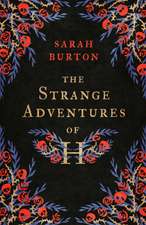 The Strange Adventures of HSarah Burton-10%Preț: 58.92 lei65.30 lei
 -
 Mrs GulliverValerie Martin-19%Preț: 58.20 lei71.57 lei
 -
 The Country WifeWilliam Wycherley-25%Preț: 62.75 lei83.79 lei
 -
 IncestMarquis De SadePreț: 50.34 lei
 -
 Moll FlandersDaniel DefoePreț: 28.01 lei
 -
 The RoverAphra BehnPreț: 60.67 lei
 -
 This SlaveryEthel Carnie HoldsworthPreț: 143.96 lei
Notă biografică
John Cleland wrote 'Fanny Hill', also known as 'Memoirs of a Woman of Pleasure', in two instalments whilst serving time in Fleet Prison for a bad debt. In 1749, Cleland was arrested for obscenity, yet denied responsibility for the novel. The book was officially withdrawn, and not officially published again for a hundred years. However, it continued to sell well and was published in pirate editions.