Cantitate/Preț
Produs

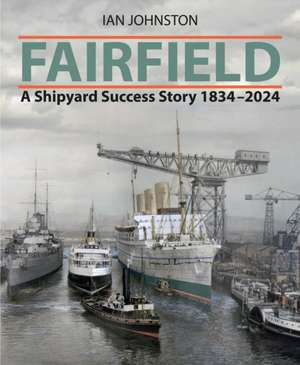
Fairfield

Autor Ian Johnston
en Limba Engleză Hardback – 17 dec 2024

Nivel de studiu: referință profesională și cercetare academică în domeniul istoriei industriale. În lucrarea Fairfield, Ian Johnston reconstruiește parcursul fascinant al unuia dintre cele mai inovatoare nume din istoria industrială britanică: Fairfield Shipbuilding & Engineering Co Ltd din Govan, Glasgow. Putem afirma că volumul depășește simpla cronică a unui șantier naval, oferind o analiză detaliată a modului în care inovația tehnologică — în special motorul cu abur compus — a recalibrat eficiența transportului maritim global. Suntem de părere că autorul reușește să surprindă tensiunea dintre gloria sfârșitului de secol XIX, când Fairfield era cel mai important șantier naval din lume, și criza profundă din 1965 care a dus la insolvență. Textul documentează cu precizie tranziția de la construcția pacheboturilor transatlantice pentru Cunard la supraviețuirea sub proprietatea statului și, în final, la renașterea sub egida BAE Systems. Notăm cu interes modul în care Johnston integrează datele tehnice despre noile programe militare, precum fregatele Type 26, într-o narațiune despre reziliență industrială. Această lucrare acoperă o arie tematică similară cu Blowing Hot and Cold de Ian Johnston, care explorează originile sistemelor Thermotank, dar se diferențiază printr-o abordare mult mai vastă, concentrându-se pe întreaga infrastructură și evoluție a unui gigant naval, nu doar pe o singură componentă tehnologică. În contextul operei sale, Fairfield continuă preocuparea autorului pentru istoria tehnicii maritime, păstrând rigoarea documentară observată și în alte studii ale sale despre peisajul industrial și tehnologic.

Citește tot Restrânge

Preț: 31190 lei

Puncte Express: 468

Carte disponibilă

Livrare economică 23 septembrie-07 octombrie
Livrare express 08-12 septembrie pentru 7137 lei

Livrare prin curier în România Termenul estimat este afișat lângă disponibilitate.
Transport gratuit de la 40000 lei Plată online sau ramburs, în funcție de opțiunile comenzii.
Retur gratuit în 14 zile Comandă securizată și suport în română.

Specificații

ISBN-13: 9781399089661
ISBN-10: 1399089668
Pagini: 272
Dimensiuni: 219 x 262 x 22 mm
Greutate: 1.14 kg
Editura: Pen & Sword Books Ltd

De ce să citești această carte

Această carte se adresează istoricilor, inginerilor și pasionaților de patrimoniu industrial. Cititorul câștigă o perspectivă unică asupra modului în care un șantier naval istoric a supraviețuit declinului industrial britanic, transformându-se dintr-un producător de nave comerciale de lux într-un pilon al apărării moderne. Este o lectură esențială pentru a înțelege evoluția ingineriei maritime de la motorul cu abur la distrugătoarele de ultimă generație.


Despre autor

Ian Johnston este un cercetător și autor dedicat istoriei industriale și maritime. Printre lucrările sale notabile se numără un studiu detaliat asupra peisajului insular din Prince Edward Island, locul său natal. În portofoliul său de autor regăsim și Blowing Hot and Cold, o analiză a invențiilor scoțiene în domeniul ventilației marine. Johnston este recunoscut pentru capacitatea sa de a extrage fapte tehnice riguroase și de a le plasa într-un context istoric și social relevant, oferind o voce autoritară în documentarea moștenirii industriale a zonei Clyde din Scoția.


Descriere

Fairfield Shipbuilding, a pioneering Glasgow yard, built liners and warships, now thriving under BAE Systems. One of the great names in British industrial history, the Fairfield Shipbuilding & Engineering Co Ltd, Govan, Glasgow, was always associated with innovation - particularly the development of the compound steam engine which brought great fuel efficiency to deep sea transportation and led to the ubiquitous triple expansion steam engine. Through the design and construction of record-breaking Atlantic liners and their machinery for the Guion and Cunard companies, by the late nineteenth century Fairfield had become the most important shipyard and marine engine works in the world. Admiralty contracts for all classes of warship followed, notably during the world wars and as a lifeline during the depression of the 1920s and early 1930s. However, the Fairfield yard was probably best known for building magnificently appointed intermediate liners, among them a series of Empress liners for Canadian Pacific. From the late 1950s onwards as shipbuilding in Britain began a steady decline, Fairfield, one of the most modern yards in Europe with a large order book, hit the headlines this time not for the launch or completion of a ship but by declaring insolvency in 1965. The next 35 years, much of it under state ownership, were characterised by various name changes and campaigns to keep the yard open. With its traditional market for 'high class' tonnage gone and no longer designated a warship yard, new commercial markets had to be found. When this struggle for survival seemed to be all but over and the virtual elimination of the commercial shipbuilding industry in Britain now complete, BAE Systems acquired the yard in 2000 bringing with it stability and continuity. A major warship-builder once more, the former Fairfield yard has been heavily involved in the Type 45 destroyer programme, the production of major blocks for the Queen Elizabeth class aircraft carriers, the five River class Offshore Patrol Vessels and currently with the Type 26 frigate programme. With the skyline of Glasgow soon to be transformed once BAE Systems completes its next-generation ship construction hall, capable of building two Type 26 frigates side by side under cover, the future looks bright for the last of the great Clyde shipyards.

Notă biografică

IAN JOHNSTON was brought up in a shipbuilding family, although his own career was in graphic design. A lifetime's interest in ships and shipbuilding has borne fruit in a number of publications, including Ships for a Nation, a history of John Brown's, and Beardmore Built, the story of another great Clydeside yard.