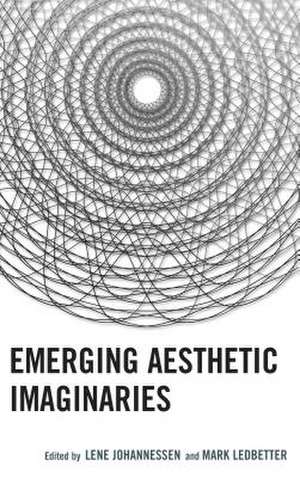
Emerging Aesthetic Imaginaries: Transforming Literary Studies
Editat de Lene M. Johannessen, Mark Ledbetter Contribuţii de Julie Adams, Susan G. Cumings, Dr. Asbjørn Skarsvåg Grønstad, Jena Habegger-Conti, Anne Karhio, John McLeod, Scott Rettberg, Laura Saetveit Miles, Erik Tonning, Øyvind Vågnesen Limba Engleză Hardback – 31 dec 2018


Preț: 525.32 lei
Preț vechi: 791.52 lei
-34%
Puncte Express: 788
Carte tipărită la comandă
Livrare economică 06-20 iunie
Specificații
ISBN-13: 9781498571999
ISBN-10: 1498571999
Pagini: 216
Ilustrații: 5 BW Illustrations, 17 BW Photos
Dimensiuni: 152 x 229 x 18 mm
Greutate: 0.52 kg
Editura: Bloomsbury Publishing
Colecția Lexington Books
Seria Transforming Literary Studies
Locul publicării:New York, United States
ISBN-10: 1498571999
Pagini: 216
Ilustrații: 5 BW Illustrations, 17 BW Photos
Dimensiuni: 152 x 229 x 18 mm
Greutate: 0.52 kg
Editura: Bloomsbury Publishing
Colecția Lexington Books
Seria Transforming Literary Studies
Locul publicării:New York, United States
Cuprins
Acknowledgments
List of Figures
Introduction: Aesthetic Imaginaries Emerging
Lene Johannessen
Part One: Image
Chapter 1. The Aesthetic Imaginary and the Case of Ernie Gehr
Asbjørn Grønstad
Chapter 2. Panorama, Glitch, and Photospheres: Machine Vision and the Ghost in the Machine
Scott Rettberg
Chapter 3. Museum, Magic, Memory: A Curatorial Aesthetic Imaginary
Julie Adams
Chapter 4. Transcultural Literacy: Reading the "Other," Shifting Aesthetic Imaginaries
Jena Habegger-Conti
Chapter 5. Tomas van Houtryve's Shadow Imaginaries
Øyvind Va°gnes
Part Two: Text
Chapter 6. "Syon Gostly": Crafting Aesthetic Imaginaries and Stylistics of Existence in Medieval Devotional Culture
Laura Saeveit Miles
Chapter 7. David Jones, The BBC and British Identities: Negotiating Social and Aesthetic Imaginaries
Erik Tonning
Chapter 8. Technology, Visual Perception and the Aesthetic Imaginary in The Poetry of Alan Gillis and Sine´ad Morrissey
Anne Karhio
Chapter 9. Imagining Imaginaries in Julie Otsuka's The Buddha in The Attic
Lene Johannessen
Chapter 10. Convent and Convention: Imagining Birth-Mothers in Dermot Bolger's A Second Life
John McLeod
Chapter 11. The Textual Oddbody: Ripp(L)ing Aesthetic Imaginaries in Service of Justice-
OR-Reader, Take Your Time
Susan G. Cumings
Afterword: "In the 'Imaginary Garden' the 'Toads' are Imaginary too: An Aesthetic of Desire, an Ethics of Precious"
Mark Ledbetter
Index
About the Editors
About the Contributors
List of Figures
Introduction: Aesthetic Imaginaries Emerging
Lene Johannessen
Part One: Image
Chapter 1. The Aesthetic Imaginary and the Case of Ernie Gehr
Asbjørn Grønstad
Chapter 2. Panorama, Glitch, and Photospheres: Machine Vision and the Ghost in the Machine
Scott Rettberg
Chapter 3. Museum, Magic, Memory: A Curatorial Aesthetic Imaginary
Julie Adams
Chapter 4. Transcultural Literacy: Reading the "Other," Shifting Aesthetic Imaginaries
Jena Habegger-Conti
Chapter 5. Tomas van Houtryve's Shadow Imaginaries
Øyvind Va°gnes
Part Two: Text
Chapter 6. "Syon Gostly": Crafting Aesthetic Imaginaries and Stylistics of Existence in Medieval Devotional Culture
Laura Saeveit Miles
Chapter 7. David Jones, The BBC and British Identities: Negotiating Social and Aesthetic Imaginaries
Erik Tonning
Chapter 8. Technology, Visual Perception and the Aesthetic Imaginary in The Poetry of Alan Gillis and Sine´ad Morrissey
Anne Karhio
Chapter 9. Imagining Imaginaries in Julie Otsuka's The Buddha in The Attic
Lene Johannessen
Chapter 10. Convent and Convention: Imagining Birth-Mothers in Dermot Bolger's A Second Life
John McLeod
Chapter 11. The Textual Oddbody: Ripp(L)ing Aesthetic Imaginaries in Service of Justice-
OR-Reader, Take Your Time
Susan G. Cumings
Afterword: "In the 'Imaginary Garden' the 'Toads' are Imaginary too: An Aesthetic of Desire, an Ethics of Precious"
Mark Ledbetter
Index
About the Editors
About the Contributors
Recenzii
Demonstrating that the aesthetic imaginary cannot be confined to just one category, discipline, or period, the thoughtful and thought-provoking discussions of different kinds of texts in this volume present the reader with a range of inroads into the meanings and applications of a concept that proves to be not just helpful but indispensable. This is a significant contribution to literary and cultural studies as well as to film studies.
Emerging Aesthetic Imaginaries could not have come at a better time to join our current intellectual discussions. It not only addresses the ethical complexities of living responsibly in a complicated world, but also reveals an intimate connection in our myriad responses to these very real and complex issues. Within singular lines of interdisciplinary discourse, this book constructs an intricately patterned web of intellectual engagement and ethical possibility.
Emerging Aesthetic Imaginaries could not have come at a better time to join our current intellectual discussions. It not only addresses the ethical complexities of living responsibly in a complicated world, but also reveals an intimate connection in our myriad responses to these very real and complex issues. Within singular lines of interdisciplinary discourse, this book constructs an intricately patterned web of intellectual engagement and ethical possibility.