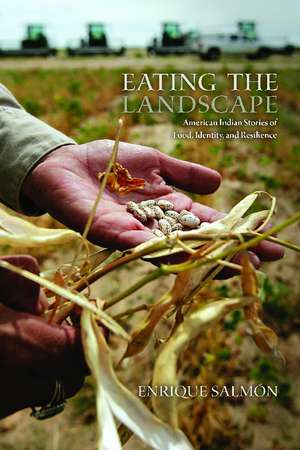
Eating the Landscape: American Indian Stories of Food, Identity, and Resilience: First Peoples: New Directions in Indigenous Studies
Autor Enrique Salmónen Limba Engleză Paperback – mai 2012
"Eating is not only a political act, it is also a cultural act that reaffirms one’s identity and worldview," Enrique Salmón writes in Eating the Landscape. Traversing a range of cultures, including the Tohono O’odham of the Sonoran Desert and the Rarámuri of the Sierra Tarahumara, the book is an illuminating journey through the southwest United States and northern Mexico. Salmón weaves his historical and cultural knowledge as a renowned indigenous ethnobotanist with stories American Indian farmers have shared with him to illustrate how traditional indigenous foodways—from the cultivation of crops to the preparation of meals—are rooted in a time-honored understanding of environmental stewardship.
In this fascinating personal narrative, Salmón focuses on an array of indigenous farmers who uphold traditional agricultural practices in the face of modern changes to food systems such as extensive industrialization and the genetic modification of food crops. Despite the vast cultural and geographic diversity of the region he explores, Salmón reveals common themes: the importance of participation in a reciprocal relationship with the land, the connection between each group’s cultural identity and their ecosystems, and the indispensable correlation of land consciousness and food consciousness. Salmón shows that these collective philosophies provide the foundation for indigenous resilience as the farmers contend with global climate change and other disruptions to long-established foodways. This resilience, along with the rich stores of traditional ecological knowledge maintained by indigenous agriculturalists, Salmón explains, may be the key to sustaining food sources for humans in years to come.
As many of us begin to question the origins and collateral costs of the food we consume, Salmón’s call for a return to more traditional food practices in this wide-ranging and insightful book is especially timely. Eating the Landscape is an essential resource for ethnobotanists, food sovereignty proponents, and advocates of the local food and slow food movements.
In this fascinating personal narrative, Salmón focuses on an array of indigenous farmers who uphold traditional agricultural practices in the face of modern changes to food systems such as extensive industrialization and the genetic modification of food crops. Despite the vast cultural and geographic diversity of the region he explores, Salmón reveals common themes: the importance of participation in a reciprocal relationship with the land, the connection between each group’s cultural identity and their ecosystems, and the indispensable correlation of land consciousness and food consciousness. Salmón shows that these collective philosophies provide the foundation for indigenous resilience as the farmers contend with global climate change and other disruptions to long-established foodways. This resilience, along with the rich stores of traditional ecological knowledge maintained by indigenous agriculturalists, Salmón explains, may be the key to sustaining food sources for humans in years to come.
As many of us begin to question the origins and collateral costs of the food we consume, Salmón’s call for a return to more traditional food practices in this wide-ranging and insightful book is especially timely. Eating the Landscape is an essential resource for ethnobotanists, food sovereignty proponents, and advocates of the local food and slow food movements.
Din seria First Peoples: New Directions in Indigenous Studies
-
 Preț: 218.75 lei
 -
 Preț: 117.87 lei
 -
 Preț: 109.17 lei
 -
 Preț: 243.02 lei
 -
 Preț: 193.28 lei
 -
 Preț: 215.85 lei
 -
 Preț: 201.56 lei
 -
 Preț: 212.08 lei
 -
 Preț: 190.99 lei
 -
 Preț: 193.17 lei
 -
 Preț: 288.23 lei
 -
 Preț: 221.51 lei
 -
 Preț: 281.91 lei
 -
 Preț: 204.46 lei
 -
 Preț: 243.12 lei
 - 28%
 Preț: 410.17 lei
 - 29%
 Preț: 372.82 lei
 -
 Preț: 354.97 lei
 -
 Preț: 128.78 lei
 - 24%
 Preț: 195.64 lei
 -
 Preț: 241.91 lei
 -
 Preț: 195.80 lei
 - 13%
 Preț: 409.63 lei
 - 6%
 Preț: 143.67 lei
 - 28%
 Preț: 136.71 lei
 - 30%
 Preț: 129.97 lei
Preț: 113.48 lei
Puncte Express: 170
Carte disponibilă
Livrare economică 28 octombrie-11 noiembrie
Livrare prin curier în România Termenul estimat este afișat lângă disponibilitate.
Transport gratuit de la 400.00 lei Plată online sau ramburs, în funcție de opțiunile comenzii.
Retur gratuit în 14 zile Comandă securizată și suport în română.
Specificații
ISBN-13: 9780816530113
ISBN-10: 0816530114
Pagini: 184
Ilustrații: 12 photos
Dimensiuni: 152 x 229 x 13 mm
Greutate: 0.34 kg
Ediția:2nd edition
Editura: University of Arizona Press
Colecția University of Arizona Press
Seria First Peoples: New Directions in Indigenous Studies
ISBN-10: 0816530114
Pagini: 184
Ilustrații: 12 photos
Dimensiuni: 152 x 229 x 13 mm
Greutate: 0.34 kg
Ediția:2nd edition
Editura: University of Arizona Press
Colecția University of Arizona Press
Seria First Peoples: New Directions in Indigenous Studies
V-ar putea interesa
-
 Preț: 146.75 lei
 -
 The New Farmer's Almanac, Volume VGreenhornsPreț: 144.43 lei
 -
 The Omnivore's DilemmaMichael PollanPreț: 72.85 lei
 -
 Precarious Eating: Narrating Environmental Harm in the Global SouthBen Jamieson StanleyPreț: 190.23 lei
 -
 Natural ConnectionJoycelyn LongdonPreț: 137.51 lei
 -
 Growing Food in a Hotter, Drier LandGary Paul NabhanPreț: 215.62 lei
 -
 -25%Preț: 172.99 lei229.51 lei
 -
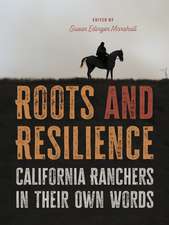 Roots and Resilience: California Ranchers in Their Own WordsSusan Edinger MarshallPreț: 113.71 lei
 -
 The ServiceberryRobin Wall KimmererPreț: 107.57 lei
 -
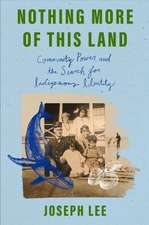 -19%Preț: 115.03 lei142.39 leiRecomandat
 -
 On Indigenuity: Learning the Lessons of Mother EarthDaniel R WildcatPreț: 120.70 lei
 -
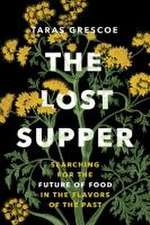 The Lost SupperTaras GrescoePreț: 92.52 lei
 -
 Eating to ExtinctionDan Saladino-29%Preț: 67.06 lei94.68 lei
 -
 We Must Begin with the LandStephen E. HuntPreț: 117.68 lei
 -
 Nature Embedded Mind, TheJulie BramsPreț: 83.19 lei
 -
 No Paradise with WolvesKatie StaceyPreț: 107.90 lei
 -
 Becoming Native to This PlaceWes JacksonPreț: 84.76 lei
 -
 -18%Preț: 120.04 lei146.03 leiRecomandat
 -
 Indigenous Storytelling and Connections to the LandFrancesca Mussi-18%Preț: 952.45 lei1161.52 lei
Notă biografică
Enrique Salmón is head of the American Indian Studies Program at Cal State University East Bay in Hayward, California. He has been a Scholar in Residence at the Heard Museum and a program officer for the Greater Southwest and Northern Mexico regions for the Christensen Fund. He has published several articles and chapters on indigenous ethnobotany, agriculture, nutrition, and traditional ecological knowledge.
Recenzii
"Salmón's lineage serves as the touchstone for this episodic volume, each chapter of which introduces the reader to a different mode of traditional land stewardship."—Publishers Weekly
"This is very fine work reminiscent of the style and substance of the best by other stalwarts in the field of Indigenous knowledge like Gary Paul Nabhan, Greg Cajete, and Winona LaDuke."—Devon Peña, author of Mexican Americans and the Environment: Tierra y Vida"An intimate geographical and cultural journey."—AlterNative
“Salmón shares inspiring stories of how indigenous people and the land are interconnected, with lessons for how we can all be stewards of the land.”—SMRC Revista
Descriere
“Eating is not only a political act, it is also a cultural act that reaffirms one’s identity and worldview,” Enrique Salmon writes in Eating the Landscape. Traversing a range of cultures, including the Tohono O’odham of the Sonoran Desert and the Rarámuri of the Sierra Tarahumara, the book is an illuminating journey through the southwest United States and northern Mexico. Salmon weaves his historical and cultural knowledge as a renowned indigenous ethnobotanist with stories American Indian farmers have shared with him to illustrate how traditional indigenous foodways—from the cultivation of crops to the preparation of meals—are rooted in a time-honored understanding of environmental stewardship.