Disordered
Autor Jessica Wai-Fong Wongen Limba Engleză Hardback – 29 aug 2021
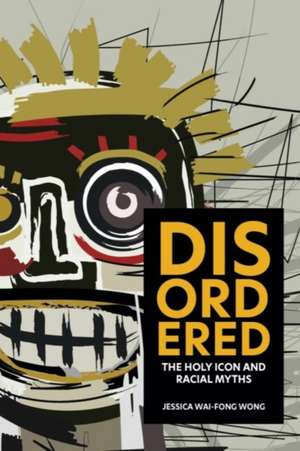
Autoarea Jessica Wai-Fong Wong, cercetătoare preocupată de intersecția dintre teologie și structurile sociale, fundamentează în Disordered o analiză critică a modului în care percepția asupra corpurilor non-albe a fost modelată de doctrine religioase subtile. Remarcăm aici o abordare inovatoare: utilizarea teologiei icoanei din epoca bizantină pentru a explica mecanismele discriminării moderne. În acea perioadă, icoana reflecta ordinea divină, iar respingerea ei era echivalată cu o deficiență ontologică. Wong argumentează că acest mecanism a fost transpus asupra rasializării, unde albul (în special cel masculin) a devenit „icoana” ordinii, în timp ce restul corpurilor au fost etichetate drept surse de dezordine.
Descoperim în această lucrare o continuare a preocupărilor autoarei pentru justiție și diversitate, teme prezente și în contribuțiile sale din The Meaning of My Neighbor’s Faith, unde explora semnificația credinței celuilalt în contextul migrației. Disordered este comparabil cu God, Race, and History de Matt R. Jantzen în rigurozitate, dar actualizat pentru a include o dimensiune hristologică specifică. În timp ce Jantzen se concentrează pe doctrina providenței ca instrument de dominație europeană, Wong propune o soluție activă prin redefinirea lui Iisus ca „adevărata icoană”, capabilă să vindece privirea rasializată a Occidentului.
Suntem de părere că această ediție publicată de Baylor University Press reprezintă o resursă academică esențială pentru înțelegerea rădăcinilor teologice ale supremației albe. Structura narativă demonstrează cum venerarea albului funcționează ca fundament sacru pentru opresiune, oferind totodată un spațiu pentru o pedagogie a vederii corecte, eliberată de arhetipurile coloniale.
Preț: 433.67 lei
Carte disponibilă
Livrare economică 06-20 noiembrie
Specificații
ISBN-10: 1481308335
Pagini: 236
Dimensiuni: 152 x 229 mm
Greutate: 0.5 kg
Editura: Baylor University Press
De ce să citești această carte
Recomandăm Disordered studenților la teologie și sociologie, precum și oricărui cititor interesat de demontarea mecanismelor rasismului sistemic. Jessica Wai-Fong Wong oferă o perspectivă rară prin care analizează corpul ca pe o „icoană” politică, ajutându-ne să înțelegem de ce anumite grupuri sunt percepute ca o amenințare la adresa ordinii sociale. Veți câștiga un instrument teoretic solid pentru a deconstrui prejudecățile vizuale adânc înrădăcinate în cultura occidentală.
Descriere scurtă
Archetypes of race loom large within the Western imagination. The Black population, in particular, has often been pictured as inherently disordered, and their presence thought to have a disordering effect--indeed, their presence has been seen as a threat to civilized society. It is this perceived threat of Blackness that has fueled America's long history of discrimination and oppression.
At the heart of this racialized way of seeing is a significant theological assertion: that one's internal state can be discerned through the external attributes of the body. In the Byzantine era, the holy icon was thought to reflect the proper order of God; those who rejected the icon rejected God's order. The supposedly deficient bodies of those who rejected the holy order of God functioned as a warning sign. Using the framework of icon theology, Disordered explores the relationship between non-white, as well as non-masculine, bodies and civilized society at key moments in the development of modernity. Jessica Wai-Fong Wong demonstrates how the archetype of (male) whiteness has come to define proper social order. The veneration of the white man as holy ideal wields significant power over the formation of subjects and the shaping of society. In this case, worship of whiteness in general, and white masculinity in particular, functions as the sacred ground upon which the oppressive structures of Western society are built.
The iconic reading of race offered here not only creates an opportunity for analysis but also opens up a space for constructive christological intervention that confronts the troubled practices at the heart of racialized sight. Jesus invites all people into a different way of seeing, one that shatters the distorting and destructive assumptions embedded within the dominant racial logic. By learning to see Jesus, the true icon of God, we learn to see rightly. And, when we see rightly, the order defining our identity and relationality is redeemed.