Cantitate/Preț
Produs

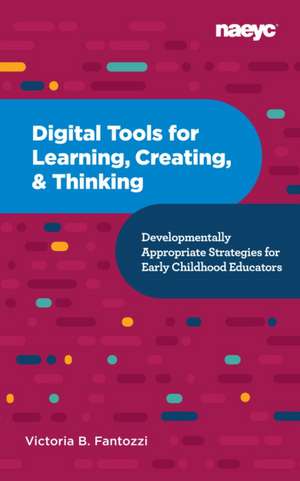
Digital Tools for Learning, Creating, and Thinking

Autor Victoria B. Fantozzi
en Limba Engleză Paperback – 24 mai 2022

Nivel de studiu: Licență și referință profesională. În contextul actual, în care copiii interacționează cu dispozitivele digitale încă din primii ani de viață, Digital Tools for Learning, Creating, and Thinking oferă educatorilor un cadru riguros pentru integrarea tehnologiei fără a sacrifica valoarea fundamentală a jocului. Observăm că Victoria B Fantozzi nu pledează pentru tehnologie ca scop în sine, ci ca instrument de amplificare a proceselor de învățare deja existente. Suntem de părere că forța acestui volum rezidă în structura sa pragmatică. Prima parte se concentrează pe mecanismele decizionale, ajutând practicienii să navigheze între aplicațiile limitative și cele care permit explorarea creativă. A doua parte trece spre implementare, unde conceptul de „play mindset” (mentalitate de joc) devine central. Cititorii familiarizați cu Technology and Digital Media in the Early Years de Chip Donohue vor aprecia modul în care Fantozzi simplifică teoria complexă într-un model de transfer al responsabilității, oferind strategii concrete pentru storytelling digital și inițierea în coding. Spre deosebire de alte lucrări care analizează impactul tehnologiei la nivel sociologic, acest ghid publicat de National Association for the Education of Young Children este un manual de metodologie aplicată. Cuprinsul reflectă o progresie logică: de la evaluarea intenționată a instrumentelor, la utilizarea lor pentru a documenta reflexiile copiilor și, în final, la consolidarea parteneriatului cu familiile prin intermediul platformelor digitale.

Citește tot Restrânge

Preț: 13771 lei

Puncte Express: 207

Carte disponibilă

Livrare economică 24 iulie-07 august

Livrare prin curier în România Termenul estimat este afișat lângă disponibilitate.
Transport gratuit de la 40000 lei Plată online sau ramburs, în funcție de opțiunile comenzii.
Retur gratuit în 14 zile Comandă securizată și suport în română.

Specificații

ISBN-13: 9781952331046
ISBN-10: 1952331048
Pagini: 112
Dimensiuni: 254 x 203 x 6 mm
Greutate: 0.28 kg
Editura: Nat'l Assoc Educ Young Children (Naeyc)

De ce să citești această carte

Recomandăm această carte educatorilor și studenților de la Pedagogia Învățământului Primar și Preșcolar care doresc să depășească utilizarea pasivă a ecranelor. Veți câștiga un set de criterii clare pentru evaluarea aplicațiilor educaționale și strategii pentru a transforma tehnologia într-un mediu de creație, nu doar de consum, asigurând o alfabetizare digitală etică și adecvată vârstei.


Despre autor

Victoria B Fantozzi este o specialistă recunoscută în domeniul educației timpurii, cu un interes academic profund în intersecția dintre alfabetizarea tradițională și instrumentele digitale. Expertiza sa este fundamentată pe cercetări privind modul în care cadrele didactice pot utiliza tehnologia pentru a sprijini dezvoltarea limbajului și gândirea critică la copiii mici. Colaborarea sa cu NAEYC subliniază angajamentul pentru standarde înalte în educația preșcolară, autorul fiind o voce influentă în definirea practicilor adecvate dezvoltării (DAP) în era digitală.


Cuprins

Introduction
Guidance for Intentional Decision Making Around Technologies
Guiding Principles in this Book
What's in this Book?
What's Not in this Book
Part 1: Setting a Foundation for Technologies in the Classroom
Chapter 1: Making Intentional Choices About Technologies
Technology Is Not the Teacher
Navigating Concerns About Technologies
Close- and Open-Ended Apps
Using Technologies with Purpose
Next Steps
Chapter 2: Creating, Collaborating, and Communicating: A Framework for Thinking About Technologies
Creating
Using Technologies to Explain and Reflect
Using Technologies as a Medium for Creating
Collaborating
Communicating
Supporting Children's Pride in Their Work
Learning from Each Other
Connecting to Families
Next Steps
Making Intentional Choices: Evaluating Technologies: Can Children Create, Collaborate, or Communicate?
Part 2: Developmentally Appropriate Technology Use
Chapter 3: Mindsets and Guidelines for Using Technologies
A Play Mindset
Explore
Fail
Focus on Process, not Product
Scaffolded Learning: Digital Natives, not Digital Wizards
Supporting Child Creators
Guidelines
It's Everyone's Device
?Must Do? and ?Can Do?
We Learn from and with Each Other
Next Steps
Making Intentional Choices: ?Let's Be Troubleshooters?
Chapter 4: Teaching with Technologies
Gradual Release of Responsibility Model
Modeling
Guided Practice
Independent Practice
Save Time for Sharing
Including All Children
Visual Images
Feedback
Engagement
Including All Voices
Next Steps
Making Intentional Choices: What Type of Technology-Related Lesson Do the Children Need?
Chapter 5: Creating and Collaborating with Technologies
View and Review
Playful Creations
Class E-Book
Story Retelling
Storytelling
Story Acting
What Does Story Acting Look Like?
Movie Making
Digital Puppetry
Stop-Motion
Movie Trailer Templates
Coding
Assessment
Portfolios
Assessing Process
Next Steps
Making Intentional Choices: Many Pathways for Creating
Chapter 6: A Connected Classroom
Creating a Connected Classroom
Empowering Children
Empowering Families
Connecting to All Educators
Bridging the Digital Divide
Next Steps
Making Intentional Choices: Privacy Considerations
Chapter 7: Planning for Intentional Technologies Integration
Setting a Purpose
Setting Goals
Create
Collaborate
Communicate
Classroom Activities
Individual Child Accomplishments
Handling Technologies as a Goal
Identifying Key Teaching Partners
Do You Need a Technology Cheerleader?
Do You Need a Critical Friend?
Are You the Only Tech-Curious Teacher in the Classroom?
Teachable Moments
Next Steps
Making Intentional Choices: Where to Start
Appendix A: Student Sharing Checklist
Appendix B: Weekly Planning Sheet
References
Resources
Index
Acknowledgments
About the Author

Descriere scurtă

Helping Children Create, Collaborate, and Communicate?with Technology
Children are growing up with technologies as part of their daily lives at home and in school. For educators, it is important to understand how to use technologies to promote learning in developmentally appropriate ways. This book helps you make thoughtful, informed decisions that will enhance what you are already doing to support children's learning. Learn how to
  • Use technologies in ways that build on, not detract from, the learning children gain through play
  • Introduce technologies using a gradual release of responsibility model
  • Foster children's storytelling, reflection, early coding skills, and more
  • Use technologies to enrich your partnerships with families and invite them into the classroom community
  • Work with colleagues to develop a digital culture that supports the program's goals
With the guidance in this book, you'll be able to evaluate technologies and understand how to put them to their best uses in your program.

Notă biografică

Victoria B. Fantozzi, PhD, is a professor of early childhood and childhood education at Manhattanville College in Purchase, New York, where she teaches courses in emergent literacies, early childhood foundations, and research methods. Since 2015, she has partnered with schools to empower teachers to make intentional decisions about integrating technologies into their classroom practice. Her research on developmentally appropriate technologies has been published in Young Children, The Reading Teacher, and the Journal of Early Childhood Research, and she was a contributor to the fourth edition of Developmentally Appropriate Practice in Early Childhood Programs Serving Children from Birth Through Age 8. Dr. Fantozzi lives in Montclair, New Jersey, with her husband, two sons, and cat and hedgehog. This is her first book.