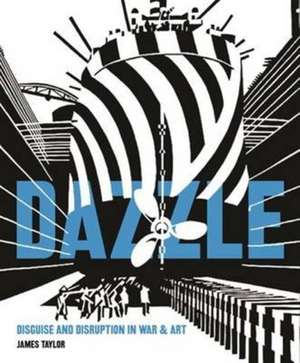
Dazzle
Autor James Tayloren Limba Engleză Hardback – 12 sep 2016
Autorul James Taylor, istoric cu o vastă experiență în documentarea tehnologiei și a esteticii aplicate, semnează această analiză riguroasă publicată de US Naval Institute Press. Bazându-se pe cercetări amănunțite în documente de arhivă originale, Taylor explorează geneza și implementarea camuflajului Dazzle, o inovație radicală a Primului Război Mondial. Observăm cum această tehnică, dezvoltată de Norman Wilkinson, a respins conceptul tradițional de ascundere în favoarea perturbării vizuale, utilizând modele geometrice contrastante pentru a induce în eroare operatorii de torpile de pe submarinele germane. Textul se distinge prin modul în care corelează necesitatea militară cu avangarda artistică. Găsim în acest volum o examinare detaliată a modului în care „cele mai mari pânze moderniste din lume” au influențat și au fost influențate de mișcări precum Cubismul sau Vorticismul. Dazzle completează perspectiva oferită de Dazzle Ships de Chris Barton, adăugând o dimensiune academică și istorică profundă, axată pe disputele de proprietate intelectuală și pe impactul cultural pe termen lung asupra modei și arhitecturii, dincolo de simpla prezentare vizuală. În contextul operei sale, această lucrare reflectă interesul constant al lui James Taylor pentru designul funcțional și istoria tehnicii, teme regăsite și în Land Rover sau BMW 2002. Totuși, Dazzle reprezintă o sinteză unică între istoria navală și istoria artei. Structura narativă este echilibrată, alternând între rigoarea tehnică a specificațiilor navale și analiza estetică, oferind în final un verdict documentat asupra eficacității reale a acestui tip de camuflaj în teatrele de operațiuni.
Preț: 146.63 lei
Carte disponibilă
Livrare economică 16-30 noiembrie
Livrare express 30 octombrie-05 noiembrie pentru 38.36 lei
Specificații
ISBN-10: 191086014X
Pagini: 128
Ilustrații: 100 paintings
Dimensiuni: 204 x 244 x 15 mm
Greutate: 0.61 kg
Editura: The Pool of London Press
V-ar putea interesa
-
 Wipeout FuturismDuncan Harris-14%Preț: 317.39 lei367.38 lei
 -
 Vanessa BellRosalind McKever-17%Preț: 102.13 lei123.25 lei
 -
 Dazzle, Disruption and ConcealmentDavid L WilliamsPreț: 234.09 lei
 -
 SubmarinesEmeritus of Latin David WestPreț: 70.07 lei
 -
 Ravilious in PicturesJames RussellPreț: 209.28 lei
 -
 The Battle of Trafalgar: Commemoration and ControversyKatherine GazzardPreț: 92.64 lei
 -
 -25%Preț: 70.21 lei93.80 lei
 -
 -25%Preț: 70.64 lei94.06 lei
 -
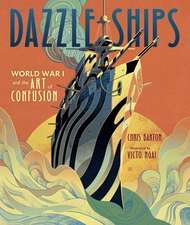 Dazzle ShipsChris Barton-9%Preț: 100.21 lei109.86 lei
 -
 -24%Preț: 84.37 lei110.63 lei
 -
 Italian Naval Camouflage of World War IIMarco GhiglinoPreț: 279.11 lei
 -
 Pattern Cutting Deconstructed: Wearable ArtMonisola Omotoso-25%Preț: 119.33 lei159.07 lei
 -
 Monsieur Ozenfant's AcademyCharles DarwentPreț: 220.19 lei
 -
 Vanessa Bell: A World of Form and ColourFay Blanchard-41%Preț: 144.28 lei242.61 lei
 -
 Euan Uglow: An Arc from the EyeFay Blanchard-41%Preț: 141.06 lei240.68 lei
 -
 Preț: 233.03 lei
 -
 Camouflage UniformsMartin BrayleyPreț: 157.70 lei
 -
 Visions of WarClaire BrenardPreț: 244.17 lei
 -
 The Air War in PaintingsSuzanne BardgettPreț: 201.11 lei
 -
 SeuratHajo DüchtingPreț: 124.81 lei
De ce să citești această carte
Această carte este esențială pentru cititorii interesați de intersecția dintre istoria militară și artele vizuale. Veți descoperi cum o soluție disperată de război a devenit un fenomen cultural global, influențând designul modern. Este un studiu fascinant despre inovație, estetică și psihologia percepției, oferind o perspectivă rară asupra modului în care arta poate deveni un instrument strategic de apărare.
Despre autor
James Taylor este un scriitor și istoric recunoscut, specializat în istoria transporturilor și a tehnologiei. Cu o carieră dedicată documentării evoluției designului industrial și militar, Taylor a publicat numeroase lucrări de referință, inclusiv ghiduri detaliate despre mărci iconice precum Land Rover și BMW. Expertiza sa în cercetarea de arhivă îi permite să aducă la lumină detalii tehnice și contextuale complexe, transformând subiecte de nișă în narațiuni istorice accesibile. În lucrarea de față, el își folosește abilitățile analitice pentru a descifra una dintre cele mai vizuale și intrigante perioade ale istoriei navale moderne.