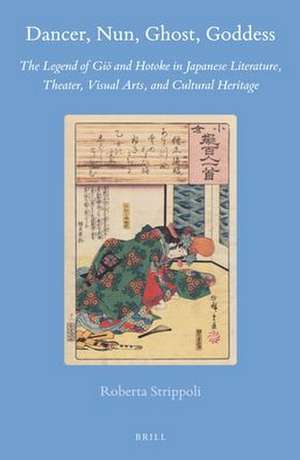
Dancer, Nun, Ghost, Goddess
Autor Roberta Strippolien Limba Engleză Hardback – 7 dec 2017
Preț: 783.98 lei
Preț vechi: 1018.16 lei
-23%
Puncte Express: 1176
Carte tipărită la comandă
Livrare economică 03-17 decembrie
Livrare prin curier în România Termenul estimat este afișat lângă disponibilitate.
Transport gratuit pentru acest produs Plată online sau ramburs, în funcție de opțiunile comenzii.
Retur gratuit în 14 zile Comandă securizată și suport în română.
Specificații
ISBN-13: 9789004356290
ISBN-10: 9004356290
Pagini: 228
Dimensiuni: 160 x 236 x 20 mm
Greutate: 0.38 kg
Editura: Brill
ISBN-10: 9004356290
Pagini: 228
Dimensiuni: 160 x 236 x 20 mm
Greutate: 0.38 kg
Editura: Brill
Cuprins
Acknowledgements
List of Figures
Introduction
The Giō (and Hotoke) Legend
Overview
A Note to the Reader
1 Women Entertainers in Heian and Medieval Japan: Eleventh to Fourteenth Century
Women Entertainers between Fiction and History
Literary Works by Male Authors
Literary Works by Female Authors
Integrated or Marginalized?
Shirabyōshi
Shirabyōshi Origins in Medieval Literary Sources
The Range of Shirabyōshi Attire
Shirabyōshi in History
The Case of Shizuka Gozen
Shirabyōshi Performance
Singing: imayō
Dancing
Imayō no sho
The Gikeiki
The Engyōbon Heike monogatari
The Towazugatari
Conclusion
2 The Story of Giō in the Heike monogatari
The Story of Giō in the Engyōbon Heike monogatari
Giō in Other Heike Texts
What’s in a Name? Kami vs. Buddha
Irresistible Ladies, Freakish Caprices
Challenging Authority, Saving Each Other: The Bond between Women
Conclusion
3 Still Seeking Salvation: The Transformation of the Giō Story in Noh Theater
Giō as Seed in Zeami’s Sandō
The Plays
Giō
Hotoke no hara (Hotoke’s Field)
Genzai Giō (Present World Gio)
Rō Giō (Giō at the Prison)
Conclusion
4 Giō in Late Medieval and Early Modern Narrative, Theater, and Visual Arts
Performance Texts Related to the Legend of the
Man-Made Sutra Island
Kōwaka and Sekkyō
Jōruri
Yomihon
Visual Representations of the Giō-Hotoke Story
The Giō otogizōshi Texts
The Spencer-bon: Giō monogatari
The Ishikawabon: Giō
The Keiōbon: Giō
The Iwasebon: Giō
The Tokudabon: Giō Ginyo monogatari
Tokugawa Prints
Conclusion
5 The Four Graves of Giō: Cultural Heritage Sites and Local Legends
The Temple of Giō in Sagano, Kyoto
Giō’s Hometown in Ōmi Province
Welcome to Haramachi, Hotoke’s Village
The Other Hotoke no Hara in Fukui Prefecture
They Also Lived Here: Giō’s Grave in Fukui Prefecture
Memorial Stupas of Giō and Ginyo in Kobe
Conclusion
Epilogue
The Modern Legacy of Giō and Hotoke
Shin Heike monogatari (The New Tale of the Heike)
Jotoku (Women’s Virtues)
When Reality Takes after Fiction: The Life of Takaoka Chishō
In Conclusion
Appendix A
Translation of “Giō Ginyo” from the Genpei jōsuiki
Appendix B
Translation of Genzai Giō (Present World Giō) a Noh Play
Bibliography
Index
List of Figures
Introduction
The Giō (and Hotoke) Legend
Overview
A Note to the Reader
1 Women Entertainers in Heian and Medieval Japan: Eleventh to Fourteenth Century
Women Entertainers between Fiction and History
Literary Works by Male Authors
Literary Works by Female Authors
Integrated or Marginalized?
Shirabyōshi
Shirabyōshi Origins in Medieval Literary Sources
The Range of Shirabyōshi Attire
Shirabyōshi in History
The Case of Shizuka Gozen
Shirabyōshi Performance
Singing: imayō
Dancing
Imayō no sho
The Gikeiki
The Engyōbon Heike monogatari
The Towazugatari
Conclusion
2 The Story of Giō in the Heike monogatari
The Story of Giō in the Engyōbon Heike monogatari
Giō in Other Heike Texts
What’s in a Name? Kami vs. Buddha
Irresistible Ladies, Freakish Caprices
Challenging Authority, Saving Each Other: The Bond between Women
Conclusion
3 Still Seeking Salvation: The Transformation of the Giō Story in Noh Theater
Giō as Seed in Zeami’s Sandō
The Plays
Giō
Hotoke no hara (Hotoke’s Field)
Genzai Giō (Present World Gio)
Rō Giō (Giō at the Prison)
Conclusion
4 Giō in Late Medieval and Early Modern Narrative, Theater, and Visual Arts
Performance Texts Related to the Legend of the
Man-Made Sutra Island
Kōwaka and Sekkyō
Jōruri
Yomihon
Visual Representations of the Giō-Hotoke Story
The Giō otogizōshi Texts
The Spencer-bon: Giō monogatari
The Ishikawabon: Giō
The Keiōbon: Giō
The Iwasebon: Giō
The Tokudabon: Giō Ginyo monogatari
Tokugawa Prints
Conclusion
5 The Four Graves of Giō: Cultural Heritage Sites and Local Legends
The Temple of Giō in Sagano, Kyoto
Giō’s Hometown in Ōmi Province
Welcome to Haramachi, Hotoke’s Village
The Other Hotoke no Hara in Fukui Prefecture
They Also Lived Here: Giō’s Grave in Fukui Prefecture
Memorial Stupas of Giō and Ginyo in Kobe
Conclusion
Epilogue
The Modern Legacy of Giō and Hotoke
Shin Heike monogatari (The New Tale of the Heike)
Jotoku (Women’s Virtues)
When Reality Takes after Fiction: The Life of Takaoka Chishō
In Conclusion
Appendix A
Translation of “Giō Ginyo” from the Genpei jōsuiki
Appendix B
Translation of Genzai Giō (Present World Giō) a Noh Play
Bibliography
Index
Notă biografică
Roberta Strippoli, Ph.D. (Stanford 2006), is associate professor at Binghamton University (SUNY). A scholar of premodern Japanese literature and theater, she has published on the late-medieval narratives otogizōshi, including La monaca tuttofare, la donna serpente, il demone beone (Marsilio 2001).