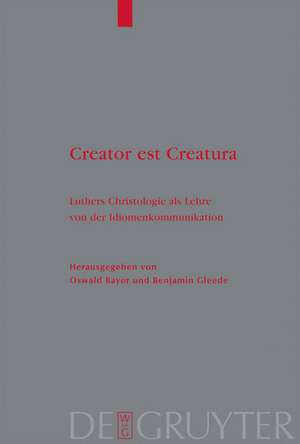
Creator est Creatura: ISSN, cartea 138
Editat de Benjamin Gleede, Oswald Bayerde Limba Germană Hardback – 18 mai 2007
Din seria ISSN
- 34%
 Preț: 1259.43 lei
 - 23%
 Preț: 1600.51 lei
 - 23%
 Preț: 876.56 lei
 -
 Preț: 358.36 lei
 -
 Preț: 501.29 lei
 -
 Preț: 183.56 lei
 - 9%
 Preț: 1986.27 lei
 - 9%
 Preț: 1302.64 lei
 - 33%
 Preț: 798.63 lei
 -
 Preț: 191.95 lei
 -
 Preț: 184.20 lei
 - 31%
 Preț: 1244.25 lei
 - 9%
 Preț: 1026.36 lei
 - 9%
 Preț: 778.76 lei
 - 9%
 Preț: 1111.42 lei
 -
 Preț: 385.67 lei
 - 9%
 Preț: 1613.75 lei
 - 9%
 Preț: 2057.07 lei
 - 9%
 Preț: 1802.26 lei
 -
 Preț: 468.29 lei
 - 9%
 Preț: 1818.88 lei
 - 9%
 Preț: 1798.62 lei
 - 9%
 Preț: 1112.75 lei
 -
 Preț: 222.91 lei
 - 9%
 Preț: 1999.31 lei
 - 34%
 Preț: 1362.09 lei
 - 9%
 Preț: 726.99 lei
 - 9%
 Preț: 735.75 lei
 - 9%
 Preț: 837.57 lei
 - 9%
 Preț: 866.31 lei
 -
 Preț: 285.51 lei
 - 58%
 Preț: 974.50 lei
 - 23%
 Preț: 1425.06 lei
 - 23%
 Preț: 787.68 lei
 - 19%
 Preț: 554.20 lei
 - 23%
 Preț: 1036.95 lei
 - 23%
 Preț: 876.05 lei
 - 23%
 Preț: 821.03 lei
 - 23%
 Preț: 1428.96 lei
 - 23%
 Preț: 1196.70 lei
 - 19%
 Preț: 480.74 lei
 - 19%
 Preț: 681.76 lei
 - 23%
 Preț: 1198.15 lei
 - 23%
 Preț: 855.87 lei
 - 23%
 Preț: 1057.56 lei
 - 23%
 Preț: 860.19 lei
 - 23%
 Preț: 937.91 lei
 -
 Preț: 457.94 lei
 - 23%
 Preț: 857.49 lei
 - 11%
 Preț: 621.69 lei
Preț: 1121.94 lei
Preț vechi: 1457.07 lei
-23%
Puncte Express: 1683
Carte tipărită la comandă
Livrare economică 01-15 decembrie
Livrare prin curier în România Termenul estimat este afișat lângă disponibilitate.
Transport gratuit pentru acest produs Plată online sau ramburs, în funcție de opțiunile comenzii.
Retur gratuit în 14 zile Comandă securizată și suport în română.
Specificații
ISBN-13: 9783110192766
ISBN-10: 3110192764
Pagini: 340
Dimensiuni: 160 x 236 x 23 mm
Greutate: 0.61 kg
Ediția:1. Auflage
Editura: De Gruyter
Colecția ISSN
Seria ISSN
Locul publicării:Berlin/Boston
ISBN-10: 3110192764
Pagini: 340
Dimensiuni: 160 x 236 x 23 mm
Greutate: 0.61 kg
Ediția:1. Auflage
Editura: De Gruyter
Colecția ISSN
Seria ISSN
Locul publicării:Berlin/Boston
V-ar putea interesa
-
 The Life of the Virgin: Maximus the ConfessorStephen J. ShoemakerPreț: 218.76 lei
 -
 Preț: 465.23 lei
 -
 For the ParishAndrew DavisonPreț: 219.45 lei
 -
 Theology's Strange ReturnDon CupittPreț: 140.24 lei
 -
 The Sacrifice of AfricaEmmanuel KatongolePreț: 162.56 lei
 -
 The Doors of the SeaDavid Bentley HartPreț: 90.00 lei
 -
 Theological Highlights of Vatican IIJoserph RatzingerPreț: 106.96 lei
 -
 Keys to the Council: Unlocking the Teaching of Vatican IIRick GaillardetzPreț: 134.18 lei
 -
 The Reason for GodTimothy KellerPreț: 199.31 lei
Notă biografică
Oswald Bayer,Eberhard-Karls-Universität Tübingen; Benjamin Gleede, Tübinger Zentrum für Augustinusforschung.
Cuprins
Oswald Bayer: Das Wort ward Fleisch. Luthers Christologie als Lehre von der Idiomenkommunikation; Benjamin Gleede: Christologie als Idiomenkommunikationslehre? Einige Überlegungen zum Traditionshintergrund von Luthers christologischen Disputationen; Gottfried Seebass: Zum Hintergrund der christologischen Disputation Luthers von 1540/43; Anna Vind: "Christus factus est peccatum metaphorice." Über die theologische Verwendung rhetorischer Figuren bei Luther unter Einbeziehung Quintilians; Paul Hinlicky: Luther's Anti-Docetism in the Disputatio de divinitate et humanitat Christi (1540); Jörg Baur: ¿Ubiquität'. Luthers zentrale christologische Einsicht und ihre wechselhafte Rezeptionsgeschichte bis zur Mitte des siebzehnten Jahrhunderts.