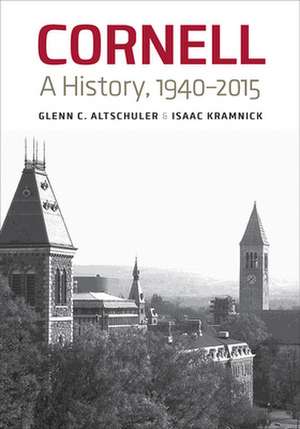
Cornell
Autor Glenn C Altschuler, Isaac Kramnicken Limba Engleză Hardback – 12 aug 2014
Bazându-ne pe arhivele Cornell University Press și pe cercetarea academică a autorilor, observăm în acest volum o cronică densă a transformării uneia dintre cele mai prestigioase instituții americane. Cornell nu este doar o istorie instituțională, ci o analiză a modului în care universitatea de cercetare modernă a fost modelată de tensiunile sociale dintre 1940 și prezent. Descoperim aici o structură narativă care împletește deciziile administrative cu efervescența mișcărilor studențești, de la pragmatismul din timpul Războiului Rece până la radicalismul protestelor din perioada Vietnamului. Autorii, Glenn C Altschuler și Isaac Kramnick, utilizează cele 60 de ilustrații pentru a ancora vizual schimbările de paradigmă educațională. Cititorii familiarizați cu Cornell '69 de Donald A Downs vor aprecia modul în care acest volum extinde cadrul cronologic, oferind o perspectivă de ansamblu care depășește momentul de criză al anului 1969, plasându-l într-un flux istoric continuu. Dacă The 100 Most Notable Cornellians se concentra pe biografiile individuale, această lucrare prioritizează evoluția sistemică a universității. În contextul operei lui Glenn C Altschuler, care a explorat anterior dinamica socială în The Rise and Fall of Protestant Brooklyn sau cazuri juridice în Ten Great American Trials, observăm aceeași rigoare în documentarea conflictelor de valori și a adaptării instituționale la presiunile modernității.
Preț: 344.91 lei
Carte disponibilă
Livrare economică 09-23 noiembrie
Specificații
ISBN-10: 080144425X
Pagini: 544
Ilustrații: 60, 60 black & white halftones
Dimensiuni: 177 x 246 x 48 mm
Greutate: 1.01 kg
Editura: Cornell University Press
De ce să citești această carte
Recomandăm această carte istoricilor educației și foștilor studenți care doresc să înțeleagă mecanismele din spatele unei universități de elită. Cititorul câștigă o perspectivă clară asupra modului în care evenimentele globale — de la Războiul Rece la mișcările feministe — au redefinit curriculumul și viața de campus, transformând Cornell într-un model pentru învățământul superior contemporan.
Despre autor
Glenn C. Altschuler este profesor de studii americane la Cornell University, fiind cunoscut pentru analizele sale pătrunzătoare asupra culturii și istoriei sociale a Statelor Unite. Opera sa variază de la studiul comunităților religioase în The Rise and Fall of Protestant Brooklyn până la istoria populară. Isaac Kramnick a fost un distins profesor de guvernare la aceeași universitate, specialist în teoria politică și istoria ideilor. Împreună, cei doi combină expertiza în sociologie politică și istorie academică pentru a oferi o viziune nuanțată asupra evoluției instituționale, reflectând valorile egalitare și de cercetare ale Cornell.