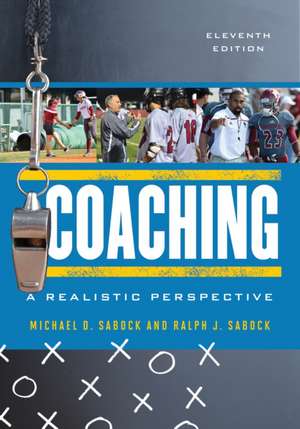
Coaching: A Realistic Perspective
Autor Michael D. Sabock, Ralph J. Sabocken Limba Engleză Paperback – 5 ian 2017
This edition has been updated to reflect the impact of social media on the coaching profession, including how it can be used in good, positive ways and how it can be detrimental to coaches and athletes if not used properly. It also features updated material on the issue of hazing, a huge concern today in all levels of athletics.
Preț: 386.58 lei
Preț vechi: 557.15 lei
-31%
Puncte Express: 580
Carte tipărită la comandă
Livrare economică 27 noiembrie-11 decembrie
Livrare prin curier în România Termenul estimat este afișat lângă disponibilitate.
Transport gratuit de la 400.00 lei Plată online sau ramburs, în funcție de opțiunile comenzii.
Retur gratuit în 14 zile Comandă securizată și suport în română.
Specificații
ISBN-13: 9781442270701
ISBN-10: 1442270705
Pagini: 364
Ilustrații: 28 b/w illustrations; 87 b/w photos; 3 tables; 58 textboxes
Dimensiuni: 174 x 254 x 26 mm
Greutate: 0.78 kg
Ediția:11
Editura: Bloomsbury Publishing
Colecția Rowman & Littlefield
Locul publicării:New York, United States
ISBN-10: 1442270705
Pagini: 364
Ilustrații: 28 b/w illustrations; 87 b/w photos; 3 tables; 58 textboxes
Dimensiuni: 174 x 254 x 26 mm
Greutate: 0.78 kg
Ediția:11
Editura: Bloomsbury Publishing
Colecția Rowman & Littlefield
Locul publicării:New York, United States
V-ar putea interesa
-
 -19%Preț: 87.79 lei107.94 lei
 -
 -5%Preț: 752.70 lei792.32 lei
 -
 InSideOut CoachingJoe EhrmannPreț: 163.82 lei
 -
 The Rock Climber's Exercise GuideEric HorstPreț: 155.28 lei
 -
 The Trail Runner's CompanionSarah Lavender SmithPreț: 160.46 lei
 -
 Defining Sport: Conceptions and BorderlinesShawn E. Klein-29%Preț: 345.30 lei483.85 lei
 -
 -26%Preț: 176.91 lei237.48 lei
 -
 -25%Preț: 287.93 lei381.81 lei
 -
 -23%Preț: 261.88 lei338.17 lei
 -
 Legacy of Maggie DixonJack GrubbsPreț: 304.81 lei
 -
 -30%Preț: 484.40 lei687.98 lei
 -
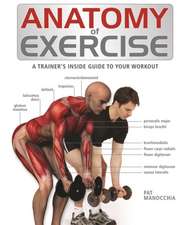 Anatomy of ExercisePat ManocchiaPreț: 156.98 lei
 -
 Racing Weight: How to Get Lean for Peak PerformanceMatt FitzgeraldPreț: 156.65 lei
 -
 Special Strength Training: Manual for CoachesYuri VerkhoshanskyPreț: 426.66 lei
Cuprins
Preface
Acknowledgments
Chapter 1: Coaches, Athletes, and Ethics
Ethical Standards
Ethical Dilemmas
Professional Ethics
Recruiting Ethics
Chapter 2: Welcome to the Coaching Profession
Perceptions of High School Athletics
Is Coaching the Career for You?
Considerations in the Life of a Coach
Applying for a Coaching Position
Points of Decision in Your Professional Career
Chapter 3: Special Relationships
Administration
Faculty
Other Coaches
Athletes
Parents
Assistant Coaches
Band Director
Guidance Counselors
Custodians
School Secretaries
Members of the Community
Members of the Press
Athletic Equipment Salespersons
Cheerleaders
Critics
Chapter 4: Desirable Qualities of a Coach
Transparent Realism
Ability to Organize
Ability to Motivate
Dedication
Willingness to Make Hard Choices/Decisions
Ability to Discipline
Ability to Identify Goals
Ability to Recognize Athletic Talent
Ability to Use Available Talent
Desire to Win
Dislike of Mediocrity
Ability to Reason
Interest in Individuals
Respect
Enthusiasm
Willingness to Work
Knowledge of the Sport
Understanding Boys and Girls
Knowing What Makes the Difference between Winning and Losing
Ability to Foster Pride
Proper Use of Language
Moral Standards
Honesty
Dignity
Courage of Your Convictions
Ethical Standards
Good Judgment
Consistency
Fairness
Imagination
Sense of Humor
Having a Plan for Everything
Chapter 5: The Roles of a Head Coach
Teacher
Disciplinarian
Salesperson
Public Relations Expert
Guidance Counselor
Diplomat
Organizer
Detective
Psychologist
Judge and Jury
Leader
Mother Figure/Father Figure
Dictator
Politician
Actor
Fund Raiser
Chief Executive
Equipment Manager
Trainer
Citizen of the Community
Citizen of the School
Chapter 6: The Assistant Coach
Philosophical Differences
Applying for the Job
Desirable Qualities of an Assistant Coach
Chapter 7: Considerations for Married Coaches, Families, and Single Coaches
A Comparison of Male and Female Married Coaches
The Married Female Coach
The Married Male Coach
The Single Coach
Chapter 8: The Recruiting Process
The Recruiting Process
Dealing with Recruiters
Advising Students
Illegal Recruiting
Chapter 9: Off-Season Planning
Evaluating the Past Season
Conducting an Equipment Inventory
Preparing a Budget
Purchasing Equipment
Providing Strength Training
Choosing Student Helpers
Preparing a Checklist for Required Paperwork
Establishing Practice Times
Dealing with Family Vacations
Meeting with Prospective Players
Corresponding with Players and Parents
Conducting a Parent Clinic
Arranging for Medical Care at Athletic Events
Staff Clinic
Organizing Your Staff
Issuing Equipment
Ordering Mouth Guards
Arranging for Classrooms
Briefing the Athletic Director
Creating Player Notebooks
A Coach's Checklist
Selecting Team Captains
Planning a Media Day
Working with Custodians
Planning Preseason Practice Games/Meets/Events
Scheduling Athletic Banquets
The First Team Meeting
Team Clinic
Chapter 10: Final Preparation for the Season
Staff Meetings
Goals
Staff Clinic
Coaching Assignments
Practice Procedures and Policies
Training Rules
Discipline
Conduct of Players and Coaches
Coaches' Personal Appearance
Scouting Assignments
Cutting Players
Travel Conduct
Student Helpers
Pregame and Postgame Procedures
Pep Rallies
Awards/Trophies
Drills
Practice Plans
Picking the Team
Written Tests
Team Meeting
Chapter 11: Issues, Problems, and Concerns in Athletics
Parents of Athletes
Attitude of Athletes
Part-Time Coaches
Drugs
Eating Disorders
Blood-Related Injuries
Booster Clubs
Men Coaching Girls' and Women's Teams
Players Quitting
Specialization
Religion
Crowd Control/Behavior
Youth Sports Programs
Officials at Athletic Events
Title IX-Equity
Legal Liability
Emphasis on Winning
Conflict with an Administrator
Stress and Burnout
Chapter 12: Coaching Points
Appendix A: Tournament Scheduling
Appendix B: Thirty Rules for Getting Things Done Through People
Appendix C: Twelve Points of Successful Leadership
Appendix D: Parents' Expectations of Coaches: A Questionnaire
Appendix E: Players' Expectations of Coaches: A Questionnaire
Appendix F: Sample Practice Plans
Index
About the Authors
Acknowledgments
Chapter 1: Coaches, Athletes, and Ethics
Ethical Standards
Ethical Dilemmas
Professional Ethics
Recruiting Ethics
Chapter 2: Welcome to the Coaching Profession
Perceptions of High School Athletics
Is Coaching the Career for You?
Considerations in the Life of a Coach
Applying for a Coaching Position
Points of Decision in Your Professional Career
Chapter 3: Special Relationships
Administration
Faculty
Other Coaches
Athletes
Parents
Assistant Coaches
Band Director
Guidance Counselors
Custodians
School Secretaries
Members of the Community
Members of the Press
Athletic Equipment Salespersons
Cheerleaders
Critics
Chapter 4: Desirable Qualities of a Coach
Transparent Realism
Ability to Organize
Ability to Motivate
Dedication
Willingness to Make Hard Choices/Decisions
Ability to Discipline
Ability to Identify Goals
Ability to Recognize Athletic Talent
Ability to Use Available Talent
Desire to Win
Dislike of Mediocrity
Ability to Reason
Interest in Individuals
Respect
Enthusiasm
Willingness to Work
Knowledge of the Sport
Understanding Boys and Girls
Knowing What Makes the Difference between Winning and Losing
Ability to Foster Pride
Proper Use of Language
Moral Standards
Honesty
Dignity
Courage of Your Convictions
Ethical Standards
Good Judgment
Consistency
Fairness
Imagination
Sense of Humor
Having a Plan for Everything
Chapter 5: The Roles of a Head Coach
Teacher
Disciplinarian
Salesperson
Public Relations Expert
Guidance Counselor
Diplomat
Organizer
Detective
Psychologist
Judge and Jury
Leader
Mother Figure/Father Figure
Dictator
Politician
Actor
Fund Raiser
Chief Executive
Equipment Manager
Trainer
Citizen of the Community
Citizen of the School
Chapter 6: The Assistant Coach
Philosophical Differences
Applying for the Job
Desirable Qualities of an Assistant Coach
Chapter 7: Considerations for Married Coaches, Families, and Single Coaches
A Comparison of Male and Female Married Coaches
The Married Female Coach
The Married Male Coach
The Single Coach
Chapter 8: The Recruiting Process
The Recruiting Process
Dealing with Recruiters
Advising Students
Illegal Recruiting
Chapter 9: Off-Season Planning
Evaluating the Past Season
Conducting an Equipment Inventory
Preparing a Budget
Purchasing Equipment
Providing Strength Training
Choosing Student Helpers
Preparing a Checklist for Required Paperwork
Establishing Practice Times
Dealing with Family Vacations
Meeting with Prospective Players
Corresponding with Players and Parents
Conducting a Parent Clinic
Arranging for Medical Care at Athletic Events
Staff Clinic
Organizing Your Staff
Issuing Equipment
Ordering Mouth Guards
Arranging for Classrooms
Briefing the Athletic Director
Creating Player Notebooks
A Coach's Checklist
Selecting Team Captains
Planning a Media Day
Working with Custodians
Planning Preseason Practice Games/Meets/Events
Scheduling Athletic Banquets
The First Team Meeting
Team Clinic
Chapter 10: Final Preparation for the Season
Staff Meetings
Goals
Staff Clinic
Coaching Assignments
Practice Procedures and Policies
Training Rules
Discipline
Conduct of Players and Coaches
Coaches' Personal Appearance
Scouting Assignments
Cutting Players
Travel Conduct
Student Helpers
Pregame and Postgame Procedures
Pep Rallies
Awards/Trophies
Drills
Practice Plans
Picking the Team
Written Tests
Team Meeting
Chapter 11: Issues, Problems, and Concerns in Athletics
Parents of Athletes
Attitude of Athletes
Part-Time Coaches
Drugs
Eating Disorders
Blood-Related Injuries
Booster Clubs
Men Coaching Girls' and Women's Teams
Players Quitting
Specialization
Religion
Crowd Control/Behavior
Youth Sports Programs
Officials at Athletic Events
Title IX-Equity
Legal Liability
Emphasis on Winning
Conflict with an Administrator
Stress and Burnout
Chapter 12: Coaching Points
Appendix A: Tournament Scheduling
Appendix B: Thirty Rules for Getting Things Done Through People
Appendix C: Twelve Points of Successful Leadership
Appendix D: Parents' Expectations of Coaches: A Questionnaire
Appendix E: Players' Expectations of Coaches: A Questionnaire
Appendix F: Sample Practice Plans
Index
About the Authors
Recenzii
Coaching: A Realistic Perspective is a comprehensive resource for those interested in beginning their studies of or a career in the coaching profession. Although the book does not focus on the pedagogical approaches to coaching (the authors do state that this is not their intention), it systematically details a coach's managerial and social responsibilities. The book examines a wide array of topics, such as maintaining various relationships (among players, parents, other coaches, fans, etc.), 'qualities' that a coach should always uphold, the innumerable controversies and ethical issues a coach may face, off-season organization, etc. In addition, this 11th edition contains updated information related to social media practices and issues related to hazing in sports. In each chapter, appropriate exercises and discussion questions enhance the reading experience. The appendixes provide the reader with additional resources that can assist with commencing a successful coaching career. Overall, this book is a helpful tool for beginning coaches and a valuable resource for students taking a course that is focused on management skills in the coaching profession.
Summing Up: Recommended. Lower-division undergraduates and general readers.
Coaching: A Realistic Perspective is a very comprehensive resource for anyone interested in the profession of coaching. There are numerous topics covered in detail that all coaches need to be familiar with as they prepare for the season. This book truly demonstrates that successful coaching is a lifestyle and with the proper preparation it can be an extremely rewarding career.
This book is a great resource for coaches to guide their dealings with players, parents, officials, administrators, teachers, and other coaches. Most coaches learn by being an apprentice to 'more experienced' coaches. But what if those 'more experienced' coaches do not have a solid ethical foundation? Many coaching textbooks are filled with overly simplistic recommendations and as a result, they are not that helpful. This book embraces the ambiguity of coaching and has many examples and scenarios that are quite realistic. A must-read for a high school coaches or any coach who wants to maintain their integrity in the increasingly demanding and complex world of coaching.
Rather than focusing on the physical skills, this textbook addresses the mental and emotional challenges of teaching student athletes and managing a sports program. It explores the roles of a head coach, the qualities a coach should possess, relationships with the administration and other faculty, the recruiting process, off-season planning, and final preparation for the season.
Summing Up: Recommended. Lower-division undergraduates and general readers.
Coaching: A Realistic Perspective is a very comprehensive resource for anyone interested in the profession of coaching. There are numerous topics covered in detail that all coaches need to be familiar with as they prepare for the season. This book truly demonstrates that successful coaching is a lifestyle and with the proper preparation it can be an extremely rewarding career.
This book is a great resource for coaches to guide their dealings with players, parents, officials, administrators, teachers, and other coaches. Most coaches learn by being an apprentice to 'more experienced' coaches. But what if those 'more experienced' coaches do not have a solid ethical foundation? Many coaching textbooks are filled with overly simplistic recommendations and as a result, they are not that helpful. This book embraces the ambiguity of coaching and has many examples and scenarios that are quite realistic. A must-read for a high school coaches or any coach who wants to maintain their integrity in the increasingly demanding and complex world of coaching.
Rather than focusing on the physical skills, this textbook addresses the mental and emotional challenges of teaching student athletes and managing a sports program. It explores the roles of a head coach, the qualities a coach should possess, relationships with the administration and other faculty, the recruiting process, off-season planning, and final preparation for the season.