Cantitate/Preț
Produs

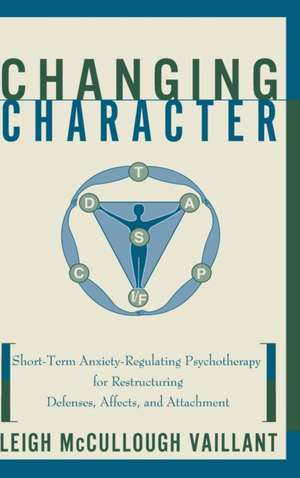
Changing Character: Short-term Anxiety-regulating Psychotherapy For Restructuring Defenses, Affects, And Attachment

Autor Leigh Vaillant
en Limba Engleză Hardback – 31 ian 1997

Subliniem, înainte de toate, importanța tehnicilor practice de reglare a anxietății și a exercițiilor de identificare a apărărilor ego-ului pe care Changing Character le propune profesioniștilor din domeniul sănătății mentale. Acest manual de tratament, semnat de Leigh Vaillant, oferă un cadru aplicat pentru transformarea mecanismelor emoționale, punând accent pe modul în care terapeutul poate ghida pacientul spre recunoașterea și integrarea conștientă a afectelor. Considerăm că valoarea principală a lucrării rezidă în structura sa metodologică: autoarea ne arată cum să utilizăm cogniția pentru a direcționa viața emoțională, prevenind situațiile în care emoțiile preiau controlul asupra comportamentului.

Reținem abordarea integrativă a autorului, care reușește să combine rigoarea cercetării de la Harvard Medical School cu practica clinică. Volumul analizează disfuncțiile emoționale nu doar ca simptome, ci ca impedimente fundamentale în capacitatea de atașament și exprimare. Stilul este unul tehnic, precis și orientat spre eficiență, fiind o resursă esențială pentru curriculumul de psihoterapie dinamică.

Această lucrare reprezintă o alternativă solidă la Change for the Better pentru cursurile de psihologie clinică și psihoterapie, cu avantajul că aduce o fundamentare psihodinamică mai profundă și un model specific de intervenție pe termen scurt pentru restructurarea caracterului. În timp ce alte texte se concentrează pe soluționarea crizelor imediate, Leigh Vaillant oferă instrumentele necesare pentru o schimbare structurală, facilitând răspunsuri adaptative la experiențele conflictuale. De asemenea, volumul servește ca bază teoretică pentru manualul ulterior, Treating Affect Phobia, fiind pilonul central al modelului de terapie bazat pe fobia de afect.

Citește tot Restrânge

Preț: 47021 lei

Puncte Express: 705

Carte tipărită la comandă

Livrare economică 01-15 iulie


Specificații

ISBN-13: 9780465077922
ISBN-10: 0465077927
Pagini: 528
Dimensiuni: 154 x 232 x 36 mm
Greutate: 0.92 kg
Ediția:New.
Editura: Little Brown
Colecția Basic Books
Locul publicării:London, United Kingdom

De ce să citești această carte

Recomandăm această carte terapeuților care doresc să integreze tehnici cognitive și comportamentale în practica psihodinamică. Cititorul câștigă o metodologie clară pentru a lucra cu rezistențele pacienților și pentru a regla anxietatea legată de exprimarea emoțiilor. Este un manual indispensabil pentru cei care urmăresc obținerea unor rezultate clinice măsurabile într-un timp mai scurt, fără a sacrifica profunzimea analizei caracteriale.


Descriere

The mechanism of emotional change is central to the field of mental health. Emotional change is necessary for healing the long-standing pain of character pathology, yet is the least studied and most misunderstood area in psychotherapy and pharmacotherapy. Changing Character at its heart is about emotion—how to draw it out, recognize it and make it conscious, follow its lead and, equally important, use cognition to guide, control, and direct our emotional lives. This treatment manual teaches therapists time-efficient techniques for changing character and helping their patients live mindfully with themselves and others through adaptive responses to conflictual experiences.Leigh McCullough Vaillant, a nationally recognized expert on short-term dynamic psychotherapy, shows therapists how to identify and remove obstacles in one's character (ego defenses) that block emotional experience. She then illustrates how the therapist can delve into that experience and harness the tremendous adaptive power provided by emotions. The result? She shows us how to have emotions without emotions “having” their way with us. Vaillant's integrative psychodynamic model holds that the source of psychopathology is the impairment of human emotional experience and expression, which includes impairment in drives and beliefs but is seen fundamentally as the impairment of affects.In this short-term approach, psychotherapists are shown how to combine behavioral, cognitive, and relational theories to make psychodynamic treatment briefer and more effective. Vaillant illustrates how affect bridges the gap between intrapsychic and interpersonal approaches to psychotherapy. Affect, she argues, has the power to make or break relational bonds. Through the regulation of anxieties associated with affects in relation to self and others, therapists can help their patients undergo meaningful character change. A holistic focus on affects and attachment has not been adequately addressed in either traditional psychodynamic theory or cognitive theory. Clearly and masterfully, Vaillant shows therapists how to integrate the powers of cognition and emotion within a dynamic short-term therapy approach.