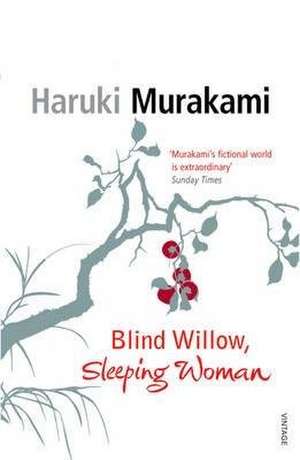
Blind Willow, Sleeping Woman
Autor Haruki Murakamien Limba Engleză Paperback – 5 iul 2007
Descoperim în Blind Willow, Sleeping Woman o incursiune fascinantă în proza scurtă, un gen în care Haruki Murakami demonstrează o măiestrie egală cu cea din marile sale romane. Ne-a atras atenția modul în care autorul respectă structura clasică a nuvelei, doar pentru a o subversa prin inserții de realism magic care transformă banalul în extraordinar. Cele douăzeci și patru de texte pendulează între realitatea palpabilă a unei vacanțe în Hawaii și bizarul absolut, unde întâlnim maimuțe vorbitoare sau entități înghețate. Considerăm că forța acestui volum rezidă în capacitatea de a ancora emoții umane universale — singurătatea, dorința, regretul — în scenarii care sfidează logica cotidiană. Cei care au parcurs The Elephant Vanishes de Haruki Murakami vor fi pregătiți pentru aceleași tranziții fluide între lumi, însă în Blind Willow, Sleeping Woman tonul pare mai așezat, mai contemplativ. Dacă în The Wind-Up Bird Chronicle misterul este unul de proporții epice, aici tensiunea este fragmentată, oferind cititorului spațiu pentru reflecție după fiecare final deschis. Ritmul lecturii este variabil, dictat de melancolia întâlnirilor întâmplătoare în Italia sau de stranietatea unui exil romantic în Grecia. Volumul funcționează ca un compendiu al temelor murakamiene, rafinând motivele pe care le regăsim și în First Person Singular: muzica, memoria și granița fragilă dintre vis și veghe.
Preț: 61.39 lei
Preț vechi: 80.36 lei
-24%
Carte disponibilă
Livrare economică 19-25 noiembrie
Livrare express 30 octombrie-05 noiembrie pentru 43.75 lei
Specificații
ISBN-10: 0099488663
Pagini: 448
Dimensiuni: 129 x 199 x 34 mm
Greutate: 0.32 kg
Editura: Random House
Colecția Vintage
Locul publicării:United Kingdom
V-ar putea interesa
-
 The Old Man and the SeaErnest Hemingway-28%Preț: 50.64 lei70.46 lei
 -
 The TreeJohn FowlesPreț: 91.49 lei
 -
 After the QuakeHaruki Murakami-27%Preț: 56.62 lei77.73 lei
 -
 South of the Border, West of the SunHaruki Murakami-26%Preț: 57.81 lei78.10 lei
 -
 The Elephant VanishesHaruki Murakami-25%Preț: 59.66 lei79.46 lei
 -
 Dance, Dance, DanceHaruki Murakami-24%Preț: 60.58 lei80.00 lei
 -
 The Wind-Up Bird ChronicleHaruki Murakami-15%Preț: 69.54 lei82.20 lei
 -
 UndergroundHaruki Murakami-31%Preț: 64.60 lei93.16 lei
 -
 Kafka on the ShoreHaruki Murakami-23%Preț: 62.10 lei80.62 lei
 -
 After DarkHaruki Murakami-27%Preț: 57.52 lei78.29 lei
 -
 What I Talk About When I Talk About RunningHaruki Murakami-32%Preț: 57.69 lei85.01 lei
 -
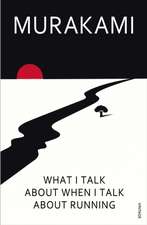 What I Talk About When I Talk About RunningHaruki MurakamiPreț: 70.83 lei
 -
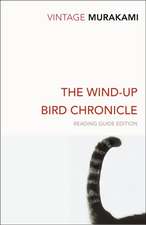 Wind-Up Bird ChronicleHaruki Murakami-37%Preț: 68.98 lei109.90 lei
 -
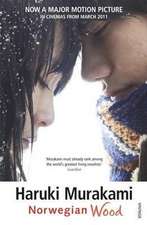 Norwegian WoodHaruki Murakami-25%Preț: 60.38 lei79.99 lei
 -
 Selected Poems of Pablo NerudaPablo Neruda-18%Preț: 77.98 lei94.67 lei
 -
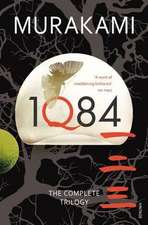 1Q84Haruki Murakami-14%Preț: 111.57 lei129.43 lei
 -
 Colorless Tsukuru Tazaki and His Years of PilgrimageHaruki Murakami-26%Preț: 58.92 lei79.09 lei
 -
 After DarkHaruki MurakamiPreț: 95.60 lei
 -
 -16%Preț: 61.12 lei72.54 lei
 -
 Milk and HoneyRupi Kaur-18%Preț: 76.57 lei93.34 lei
 -
 Moan: Junji Ito Story CollectionJunji Ito-16%Preț: 120.36 lei144.00 leiRecomandat
 -
 Haruki Murakami Manga Stories 3: Scheherezade; SleepHaruki MurakamiPreț: 106.23 lei
De ce să citești această carte
Această antologie este esențială pentru cei care doresc să înțeleagă universul lui Haruki Murakami fără a se angaja imediat într-un roman de sute de pagini. Cititorul câștigă acces la o varietate de stări și peisaje mentale, învățând să descopere magia ascunsă în cele mai mărunte detalii ale vieții. Este recomandarea noastră pentru oricine caută o lectură care să provoace imaginația și să ofere, în același timp, o consolare estetică subtilă.
Despre autor
Haruki Murakami este unul dintre cei mai apreciați scriitori japonezi contemporani, opera sa fiind tradusă în peste 50 de limbi. Născut în Kyoto în 1949, Murakami a debutat cu „Hear the Wind Sing” după ce a condus timp de șapte ani un club de jazz, experiență care i-a influențat profund stilul ritmat și referințele muzicale. Recunoscut pentru integrarea elementelor de realism magic în contexte urbane, el a fost distins cu premii prestigioase precum Premiul Franz Kafka și Premiul Ierusalim. Lucrările sale emblematice, printre care The Wind-Up Bird Chronicle și Kafka on the Shore, explorează adesea alienarea și subconștientul, consolidându-i statutul de autor de bestselleruri internaționale.