
Biophilic Design
Autor Judith Heerwagen, Martin Mador, Stephen R. Kellerten Limba Engleză Hardback – 19 feb 2008
În paginile volumului Biophilic Design, dialogul dintre rigoarea științifică și viziunea estetică prinde viață într-o manieră care reinterpretează fundamental relația noastră cu spațiul construit. Eseurile cuprinse în acest album nu doar însoțesc materialul vizual, ci îi conferă o profunzime teoretică esențială, demonstrând că natura nu este doar un element decorativ, ci o componentă vitală a sănătății umane. Subliniem modul în care ilustrațiile, parțial color, funcționează ca o extensie a argumentelor scrise, oferind exemple concrete despre cum lumina, apa și formele organice pot transforma clădirile în organisme vii. Reținem organizarea metodică a cărții, care ghidează cititorul de la fundamentele teoretice ale biofiliei, trecând prin dovezi empirice din neuroștiințe și medicină, până la implementarea practică la scară urbană. Această progresie de la concept la execuție este susținută de contribuțiile unor minți strălucite precum Edward O. Wilson sau Janine Benyus, transformând lectura într-o experiență intelectuală densă, dar accesibilă. Tonul este unul de explorare senzorială: simțim textura materialelor și impactul spațiilor deschise asupra psihicului nostru, totul fiind susținut de o producție editorială de înaltă calitate sub egida John Wiley & Sons, Inc.. Pe raftul de artă și arhitectură, alături de Nature Inside, acest album se distinge prin abordarea sa multidisciplinară, integrând cercetarea academică în fluxul de lucru creativ. În timp ce alte titluri se pot concentra exclusiv pe estetică, Biophilic Design oferă o hartă completă a „de ce-ului” din spatele nevoii noastre de natură. Credem că această lucrare reprezintă o schimbare de paradigmă, invitându-ne să privim arhitectura nu ca pe o barieră în fața mediului, ci ca pe un liant care cultivă prosperitatea reciprocă între om și ecosistem.
Preț: 593.59 lei
Preț vechi: 732.83 lei
-19%
Carte disponibilă
Livrare economică 08-22 octombrie
Livrare express 23-29 septembrie pentru 59.43 lei
Specificații
ISBN-10: 0470163348
Pagini: 400
Ilustrații: Illustrations (some col.)
Dimensiuni: 210 x 236 x 32 mm
Greutate: 1.13 kg
Editura: John Wiley & Sons, Inc.
Locul publicării:Hoboken, United States
V-ar putea interesa
-
 Wild CitiesChris FitchPreț: 140.76 lei
 -
 The Nature of Our CitiesNadina GallePreț: 162.25 lei
 -
 HumaniseThomas Heatherwick-17%Preț: 96.19 lei115.96 lei
 -
 -17%Preț: 102.89 lei123.60 lei
 -
 The Architecture of HappinessAlain de Botton-19%Preț: 74.07 lei91.86 lei
 -
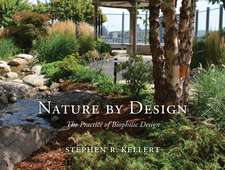 Nature by Design: The Practice of Biophilic DesignStephen R. KellertPreț: 289.85 lei
 -
 Preț: 303.70 lei
 -
 Programming for Health and Wellbeing in ArchitectureKeely MenezesPreț: 372.07 lei
 -
 Design with NatureIan L McHarg-19%Preț: 423.02 lei522.24 lei
 -
 Biophilia: You + Nature + HomeSally Coulthard-25%Preț: 91.56 lei122.21 lei
 -
 Design-Tech: Building Science for ArchitectsJason Alread-8%Preț: 465.32 lei505.78 leiRecomandat
 -
 Wellness Architecture and Urban DesignPhillip James TabbPreț: 342.02 lei
 -
 Sustainable Healthcare ArchitectureRobin Guenther-19%Preț: 579.89 lei715.91 lei
 -
 Handbook of Biophilic City Planning & DesignTimothy BeatleyPreț: 352.54 lei
 -
 -18%Preț: 228.82 lei278.75 lei
 -
 Preț: 328.95 lei
 -
 Biophilic VisionsWard Blake ArchitectsPreț: 395.36 lei
 -
 Preț: 213.51 lei
Public țintă
Practicing architects, landscape architects, interior designers, construction specifiers, building contractors.De ce să citești această carte
Această carte este esențială pentru profesioniștii care doresc să depășească estetica vizuală și să înțeleagă impactul biologic al spațiului asupra locatarilor. Cititorul câștigă acces la o sinteză rară de expertiză din domenii variate (biologie, psihologie, arhitectură), învățând cum să creeze medii care reduc stresul și sporesc productivitatea. Este un manual practic și o sursă de inspirație pentru oricine crede că viitorul urbanismului trebuie să fie în armonie cu natura.
Despre autor
Volumul este coordonat de un trio de experți de prestigiu: Stephen R. Kellert, profesor emerit la Universitatea Yale și pionier al conceptului de biofilie; Judith Heerwagen, psiholog specializat în ecologia mediului construit; și Martin Mador, specialist în managementul mediului. Stephen R. Kellert este recunoscut la nivel mondial pentru eforturile sale de a integra conservarea naturii în designul urban, opera sa fiind fundamentală pentru înțelegerea afinității umane înnăscute față de sistemele naturale. Împreună, autorii reunesc în acest volum voci autoritare din mediul academic și cel practic pentru a defini o nouă disciplină a designului.
Descriere scurtă
"When nature inspires our architecture-not just how it looks but how buildings and communities actually function-we will have made great strides as a society. Biophilic Design provides us with tremendous insight into the 'why,' then builds us a road map for what is sure to be the next great design journey of our times." -Rick Fedrizzi, President, CEO and Founding Chairman, U.S. Green Building Council "Having seen firsthand in my company the power of biomimicry to stimulate a wellspring of profitable innovation, I can say unequivocably that biophilic design is the real deal. Kellert, Heerwagen, and Mador have compiled the wisdom of world-renowned experts to produce this exquisite book; it is must reading for scientists, philosophers, engineers, architects and designers, and-most especially-businesspeople. Anyone looking for the key to a new type of prosperity that respects the earth should start here." -Ray C. Anderson, founder and Chair, Interface, Inc. The groundbreaking guide to the emerging practice of biophilic design This book offers a paradigm shift in how we design and build our buildings and our communities, one that recognizes that the positive experience of natural systems and processes in our buildings and constructed landscapes is critical to human health, performance, and well-being. Biophilic design is about humanity's place in nature and the natural world's place in human society, where mutuality, respect, and enriching relationships can and should exist at all levels and should emerge as the norm rather than the exception. Written for architects, landscape architects, planners,developers, environmental designers, as well as building owners, Biophilic Design: The Theory, Science, and Practice of Bringing Buildings to Life is a guide to the theory, science, and practice of biophilic design. Twenty-three original and timely essays by world-renowned scientists, designers, and practitioners, including Edward O. Wilson, Howard Frumkin, David Orr, Grant Hildebrand, Stephen Kieran, Tim Beatley, Jonathan Rose, Janine Benyus, Roger Ulrich, Bert Gregory, Robert Berkebile, William Browning, and Vivian Loftness, among others, address: * The basic concepts of biophilia, its expression in the built environment, and how biophilic design connects to human biology, evolution, and development. * The science and benefits of biophilic design on human health, childhood development, healthcare, and more. * The practice of biophilic design-how to implement biophilic design strategies to create buildings that connect people with nature and provide comfortable and productive places for people, in which they can live, work, and study. Biophilic design at any scale-from buildings to cities-begins with a few simple questions: How does the built environment affect the natural environment? How will nature affect human experience and aspiration? Most of all, how can we achieve sustained and reciprocal benefits between the two? This prescient, groundbreaking book provides the answers.
Cuprins
Acknowledgements. Contributors Biographies. Preface (Stephen R. Kellert and Judith Heerwagen). Prologue: Afterword, years after (Hillary Brown). I. THE THEORY OF BIOPHILIC DESIGN. Chapter 1: Dimensions, Elements, and Attributes of Biophilic Design (Stephen Kellert). Chapter 2: The Nature of Human Nature (Edward O. Wilson). Chapter 3: A Good Place to Settle: Biomimicry, Biophilia, and the Return of Nature's Inspiration to Architecture (Janine Benyus). Chapter 4: Water, Biophilic Design, and the Built Environment (Martin Mador). Chapter 5: Neuroscience, the Natural Environment, and Building Design (Nikos Salingaros and Kenneth Masden). II. THE SCIENCE AND BENEFITS OF BIOPHILIC DESIGN. Chapter 6: Biophilic Theory and Research for Healthcare Design (Roger Ulrich). Chapter 7: Nature Contact and Human Health: Building the Evidence Base (Howard Frumkin). Chapter 8: Where Windows Become Doors (Vivian Loftness). Chapter 9: Restorative Environmental Design: What, When, Where, and for Whom (Terry Hartig, Tina Bringslimark ,and Grete Grindal Patil)? Chapter 10: Healthy Planet, Healthy Children: Designing Nature into the Daily Spaces of Childhood (Robin Moore and Clare Cooper Marcus). Chapter 11: Children and the Success of Biophilic Design (Richard Louv). Chapter 12: The Extinction of Natural Experience in the Built Environment (Robert Pyle and David Orr). III. THE PRACTICE OF BIOPHILIC DESIGN. Chapter 13: Biophilia and Sensory Aesthetics (Judith Heerwagen and Bert Gregory). Chapter 14: Evolving an Environmental Aesthetic (Stephen Kieran). Chapter 15: The Picture Window: the Problem of Viewing Nature through Glass (Kent Bloomer). Chapter 16: Biophilic Architectural Space (Grant Hildebrand). Chapter 17: Towards Biophilic Cities: Strategies for Integrating Nature into Urban Design (Tim Beatley). Chapter 18: Green Urbanism: Developing Restorative Urban Biophilia (Jonathan Rose). Chapter 19: The Greening of the Brain (Pliny Fisk). Chapter 20: Bringing Buildings to Life (Tom Bender). Chapter 21: Biophilia in Practice: Buildings that Connect People with Nature (Alex Wilson). Chapter 22: Transforming Building Practices through Biophilic Design (Jenifer Seal Cramer and William Browning). Chapter 23 Reflections on Implementing Biophilic Design (Robert Fox and Robert Berkebile).