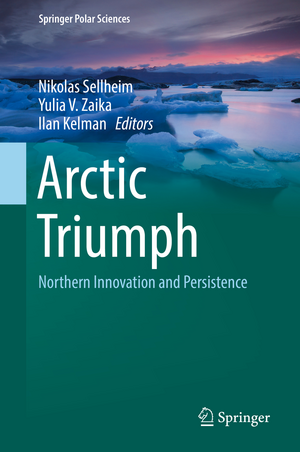
Arctic Triumph: Springer Polar Sciences
Editat de Nikolas Sellheim, Yulia V. Zaika, Ilan Kelmanen Limba Engleză Hardback – 21 mar 2019
Prima ediție a volumului Arctic Triumph marchează o ruptură conceptuală necesară în studiile polare, propunând înlocuirea discursului dominant despre vulnerabilitate și catastrofă cu unul axat pe reziliență și realizări concrete. Suntem de părere că această abordare nu ignoră provocările climatice documentate științific, ci recalibrează perspectiva asupra modului în care comunitățile nordice reușesc să prospere în ciuda adversității. Volumul introduce conceptul de 'discurs triumfător', explorând cum interacționează narațiunile despre dezastru cu capacitatea reală a populațiilor circumpolare de a inova și de a supraviețui. Structura cărții este organizată riguros în patru secțiuni ce ghidează cititorul de la dimensiunea simbolică la cea pragmatică. Primele capitole analizează 'fanteziile' europene despre regiune și ascensiunea vocilor Sámi, în timp ce partea a doua se concentrează pe patrimoniul cultural și reabilitarea căminului nordic. Ultimele secțiuni abordează teme juridice și economice esențiale, precum compensațiile pentru popoarele indigene din Rusia și rolul Consiliului Arctic în avansarea drepturilor acestora. Cititorii familiarizați cu The Palgrave Handbook of Arctic Policy and Politics vor aprecia modul în care acest volum trece de la inovația politicilor la o analiză sociologică și culturală mai profundă a succesului uman în condiții extreme. Poziționată în contextul operei editorului Nikolas Sellheim, care a explorat anterior Non-state Actors in the Arctic Region și Emerging Legal Orders in the Arctic, această lucrare continuă interesul autorului pentru normele comune și actorii relevanți din Nord, dar cu un accent mult mai pronunțat pe agenția umană pozitivă. Față de abordările tehnice din The Interconnected Arctic — UArctic Congress 2016, Arctic Triumph oferă o viziune mai unitară și mai optimistă asupra viitorului regiunii.
Din seria Springer Polar Sciences
- 15%
 Preț: 621.71 lei
 - 15%
 Preț: 667.41 lei
 - 18%
 Preț: 1044.45 lei
 - 18%
 Preț: 811.63 lei
 - 18%
 Preț: 1184.77 lei
 - 18%
 Preț: 859.25 lei
 - 18%
 Preț: 757.54 lei
 - 18%
 Preț: 759.08 lei
 - 18%
 Preț: 1164.57 lei
 - 18%
 Preț: 917.84 lei
 -
 Preț: 417.15 lei
 -
 Preț: 445.47 lei
 - 18%
 Preț: 920.96 lei
 - 15%
 Preț: 556.72 lei
 - 18%
 Preț: 765.39 lei
 -
 Preț: 341.88 lei
 - 24%
 Preț: 838.38 lei
 - 19%
 Preț: 424.29 lei
 - 18%
 Preț: 921.37 lei
 - 24%
 Preț: 1198.27 lei
 - 24%
 Preț: 968.43 lei
 - 15%
 Preț: 725.74 lei
 - 23%
 Preț: 704.04 lei
 - 18%
 Preț: 782.39 lei
 - 15%
 Preț: 667.42 lei
 -
 Preț: 346.66 lei
 - 24%
 Preț: 875.46 lei
Preț: 666.71 lei
Preț vechi: 784.36 lei
-15%
Carte disponibilă
Livrare economică 05-19 noiembrie
Specificații
ISBN-10: 3030055221
Pagini: 216
Ilustrații: XX, 194 p. 10 illus., 7 illus. in color.
Dimensiuni: 160 x 241 x 17 mm
Greutate: 0.48 kg
Ediția:1st ed. 2019
Editura: Springer
Colecția Springer Polar Sciences
Seria Springer Polar Sciences
Locul publicării:Cham, Switzerland
De ce să citești această carte
Suntem de părere că această carte este esențială pentru cercetătorii și studenții la geografie, relații internaționale sau managementul dezastrelor. Cititorul câștigă o perspectivă proaspătă, dincolo de clișeele despre schimbările climatice, înțelegând cum succesul și reziliența pot fi piloni de dezvoltare. Este un instrument critic pentru oricine dorește să înțeleagă dinamica socială reală a Nordului Circumpolar, dincolo de narațiunile pesimiste.
Despre autor
Editorii volumului sunt experți recunoscuți în studiile polare. Nikolas Sellheim este specialist în drept internațional și conservarea mamiferelor marine, cu o activitate bogată în analiza ordinilor juridice emergente din zona arctică. Yulia V. Zaika și Ilan Kelman completează echipa editorială cu expertiză în geografie și managementul riscurilor. Împreună, au coordonat numeroase proiecte în cadrul seriei Springer Polar Sciences, concentrându-se pe intersecția dintre societatea umană, politici de mediu și drepturile comunităților indigene din regiunile nordice.
Descriere scurtă
Cuprins
Recenzii
Notă biografică
Yuliya Zaika is a researcher at the Faculty of Geography, Lomonosov Moscow State University. Holding a Specialist degree in Environmental management, Yulia has devoted 6 years of her scientific pathway to study the snow cover changes in the Russian Arctic. Driven by the interests in socio-economic development of the northern home region and by the family history, Yulia has made a transition from natural sciences to more social perspective, and is at the moment finishing her PhD thesis devoted to the socio-economic and environmental challenges and paradigms in the development of single-industry (mining) communities of the Murmansk region as a part of the Barents Euro-Arctic Region.
Ilan Kelman is a Reader in Risk, Resilience and Global Health at University College London, England and a researcher at the University of Agder, Kristiansand, Norway. His overall research interest is linking disasters and health, including the integration of climate change into disaster research and health research, which is crucial for the Arctic. This approach covers three main areas: (i) disaster diplomacy and health diplomacy (ii) island sustainability involving safe and healthy communities in isolated locations including the Arctic and (iii) risk education for health and disasters.