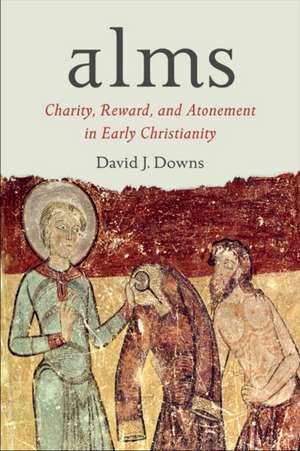
Alms: Charity, Reward, and Atonement in Early Christianity
Autor David J. Downsen Limba Engleză Hardback – 14 apr 2016
În lucrarea Alms, David J. Downs propune o abordare interdisciplinară riguroasă, situată la intersecția dintre teologia noului testament, istoria socială și economia antichității greco-romane. Găsim în această carte o reconstrucție istorică a modului în care îngrijirea celor săraci a fost conceptualizată nu doar ca un act de caritate, ci ca un mecanism de ispășire a păcatelor. Autorul extinde cadrul propus de Redemptive Almsgiving in Early Christianity de Roman Garrison, aducând date noi din analiza contextului economic antic, unde relațiile fiscale și cele sociale erau profund interconectate.
Putem afirma că forța acestui volum rezidă în capacitatea de a integra exegeza biblică cu analiza scrierilor patristice timpurii. David J. Downs examinează minuțios texte precum Didahia, Epistola lui Barnaba și lucrările lui Ciprian, demonstrând cum „milostenia ispășitoare” a servit drept răspuns concret la provocările doctrinare ale gnosticismului și docetismului. Această viziune asupra mântuirii, care include trupul social și asistența materială, se raportează la temele explorate anterior de autor în The Unrelenting God, unde analiza activității divine este legată de răspunsul uman concret.
Structura volumului este organizată tematic și cronologic, pornind de la rădăcinile din Vechiul Testament („Răscumpără-ți păcatele prin fapte de milă”) și evoluând spre consolidarea doctrinei în primele secole. Cuprinsul indică o progresie clară, de la fundamentele iudaice la „iubirea care acoperă o mulțime de păcate” în contextul ecleziologic. Merită menționat că autorul nu neagă centralitatea crucii în creștinismul timpuriu, ci iluminează o coexistență teologică adesea ignorată în studiile moderne: convingerea că jertfa lui Hristos și grija față de cel nevoiaș lucrează împreună în procesul curățării de păcat.
Preț: 515.35 lei
Carte disponibilă
Livrare economică 17 noiembrie-01 decembrie
Specificații
ISBN-10: 1602589976
Pagini: 350
Dimensiuni: 152 x 228 x 30 mm
Greutate: 0.68 kg
Editura: Baylor University Press
Colecția Baylor University Press (US)
V-ar putea interesa
-
 The Westminster Handbook to OrigenJohn Anthony McguckinPreț: 256.84 lei
 -
 Atlas of the European ReformationsTim DowleyPreț: 117.83 lei
 -
 How on Earth Did Jesus Become a God?Larry W. HurtadoPreț: 164.00 lei
 -
 The Old Religion in a New WorldMark A. NollPreț: 233.80 lei
 -
 The Beginnings of ChristianityAndrew WelburnPreț: 283.28 lei
 -
 -25%Preț: 80.38 lei107.86 lei
 -
 Preț: 432.68 lei
 -
 Preț: 291.54 lei
 -
 Preț: 450.86 lei
 -
 ReformationAndrew CookPreț: 46.90 lei
 -
 A Turbulent, Seditious and Factious PeopleChristopher HillPreț: 151.39 lei
 -
 From Cranmer to SancroftProf Patrick Collinson-38%Preț: 484.09 lei782.56 lei
De ce să citești această carte
Această monografie este esențială pentru cercetătorii istoriei bisericii și ai teologiei biblice, oferind o perspectivă nuanțată asupra modului în care practica socială influențează doctrina. Cititorul va înțelege cum milostenia a devenit un pilon al identității creștine timpurii, transformând asistența materială într-un act spiritual cu valențe soteriologice. Este o resursă academică valoroasă pentru cei care doresc să depășească dihotomia modernă dintre credință și fapte.
Despre autor
David J. Downs este profesor asociat de studii ale Noului Testament la Fuller Theological Seminary din Pasadena, California. Expertiza sa se concentrează pe intersecția dintre teologia creștină timpurie și realitățile socio-economice ale lumii antice. Prin lucrări precum The Unrelenting God, Downs s-a remarcat ca o voce importantă în reevaluarea factorilor neglijați în teologia biblică. Studiile sale sunt recunoscute pentru rigoarea cu care analizează modul în care contextul istoric modelează înțelegerea conceptelor fundamentale despre divinitate și moralitate în primele comunități creștine.