
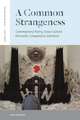
A Common Strangeness: Verbal Arts: Studies in Poetics
Autor Jacob Edmonden Limba Engleză Paperback – iun 2012
Subliniem relevanța lucrării A Common Strangeness pentru cercetarea academică în literatura comparată și studiile culturale, oferind un cadru analitic riguros pentru înțelegerea modului în care poezia contemporană a navigat prăbușirea vechilor opoziții binare din timpul Războiului Rece. Suntem de părere că abordarea lui Jacob Edmond este esențială pentru studenții și specialiștii care examinează intersecția dintre estetică și geopolitică, propunând o perspectivă transnațională asupra modului în care globalizarea este resimțită ca o „străinitate comună”. Analiza se concentrează pe figuri centrale ale poeziei experimentale, precum Bei Dao, Arkadii Dragomoshchenko sau Lyn Hejinian, urmărind cum acești autori au contestat noile forme de hegemonie apărute după 1989. Din punct de vedere stilistic, textul este dens și teoretic, beneficiind de 19 ilustrații care facilitează înțelegerea contextelor vizuale și textuale discutate. Această lucrare completează perspectiva oferită de World Literature After Empire, adăugând o dimensiune specifică analizei poetice și lingvistice pe care textul lui Pieter Vanhove o abordează mai degrabă dintr-un unghi istoric și anticolonial larg. În contextul operei autorului, A Common Strangeness pune bazele teoretice pentru preocupările sale ulterioare din Make It the Same – Poetry in the Age of Global Media. Dacă în lucrarea mai recentă Jacob Edmond se concentrează pe estetica repetiției și a copierii în era digitală, volumul de față investighează rădăcinile acestei sensibilități globale în deceniile de tranziție politică, stabilind legături între tradiții literare aparent divergente.



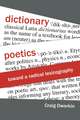
Preț: 225.36 lei
Carte disponibilă
Livrare economică 05-19 noiembrie
Livrare express 22-28 octombrie pentru 32.46 lei
Specificații
ISBN-10: 0823242609
Pagini: 284
Ilustrații: 19 b&w illustrations
Dimensiuni: 154 x 229 x 20 mm
Greutate: 0.46 kg
Editura: Fordham University Press
Colecția Verbal Arts: Studies in Poetics
Seria Verbal Arts: Studies in Poetics
V-ar putea interesa
-
 A New History of Spanish Writing, 1939 to the 1990sChris Perriam-23%Preț: 203.86 lei263.67 lei
 -
 Selected Poems: with parallel Spanish textFederico García LorcaPreț: 57.62 lei
 -
 Proust, Class, and NationEdward J. Hughes-31%Preț: 867.25 lei1261.67 lei
 -
 -17%Preț: 302.35 lei363.59 lei
 -
 Kazuo Ishiguro: New Critical Visions of the NovelsDr Sebastian Groes-24%Preț: 235.51 lei308.00 lei
 -
 Tolkien, Race and Cultural HistoryDimitra FimiPreț: 215.40 lei
 -
 Celebrating Katherine MansfieldG. KimberPreț: 406.02 lei
 -
 Virgin and Veteran Readings of UlyssesM. NorrisPreț: 390.84 lei
 -
 E.B. WhiteG. AtkinsPreț: 387.19 lei
 -
 Out of the Blue – September 11 and the NovelKristiaan VersluysPreț: 239.82 lei
 -
 The Imagination of Edward ThomasMichael KirkhamPreț: 299.29 lei
 -
 The Cambridge Introduction to J. M. CoetzeeDominic HeadPreț: 192.22 lei
 -
 The Cambridge Companion to Harold PinterPeter RabyPreț: 248.98 lei
 -
 The Cambridge Companion to Virginia WoolfSusan SellersPreț: 246.21 lei
 -
 Desperate ClarityMaurice BlanchotPreț: 253.45 lei
 -
 Ian McEwan's AtonementDr Julie EllamPreț: 126.15 lei
 -
 New Directions:Writing Post-1990Fiona TolanPreț: 90.10 lei
 -
 Fortinbras at the FishhousesGeorge Szirtes-21%Preț: 42.52 lei53.90 lei
De ce să citești această carte
Recomandăm această carte cercetătorilor interesați de literatura universală și poezia de după Războiul Rece. Cititorul câștigă o înțelegere profundă a legăturilor dintre avangarda chineză, rusă și americană. Este un instrument critic valoros pentru cei care doresc să depășească viziunile eurocentrice asupra modernității literare, oferind o metodologie comparativă inovatoare aplicată pe texte fundamentale ale globalizării.
Despre autor
Jacob Edmond este un distins cercetător și profesor, a cărui activitate se concentrează pe poezia modernă și contemporană privită dintr-o perspectivă globală și comparativă. În lucrările sale, acesta explorează modul în care schimbările tehnologice și geopolitice remodelează formele literare. Autor al volumelor A Common Strangeness și Make It the Same, Edmond s-a specializat în analiza circulației transnaționale a textelor, examinând cu precădere legăturile dintre spațiile culturale chinez, rus și anglo-american. Expertiza sa este recunoscută în domeniul literaturii comparate, fiind un colaborator frecvent al publicațiilor academice de prestigiu.
Descriere scurtă
Recenzii
"Ultimately the readings support an interpretation of Benjamin as authority for interpreting the experience of globalization, or 'common strangeness' as that experience appears in poetry. The close readings are quite good and also very worthwhile in the context of critical discussion of world literature." Edward M. Gunn, Cornell University