
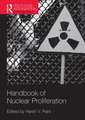
Handbook of Nuclear Proliferation: Routledge International Handbooks
Editat de Harsh V Panten Limba Engleză Hardback – 2 dec 2011
In the last decade the Nuclear Proliferation Treaty (NPT) has been challenged from within by Iraq, Iran and Libya while India’s, Pakistan’s and North Korea's nuclear weapon capabilities are threatening the non-proliferation norm from without. The new proliferators are predominantly, but not exclusively, aggressive, unstable and authoritarian regimes, considered by many in the international community to be outside the constraints of international normative behaviour. Some have even been labelled `outlaw’, or `rogue’ states. Although inter-continental nuclear war is not presently considered a danger, the increased number of nuclear weapons states combined with the nature of those states and the strategic environment in which they exist makes the possibility of a lesser nuclear exchange potentially much greater. In parallel, the 9/11 atrocities raised fears of the prospect of apocalyptic terrorists acquiring nuclear weapons. Indications that the NPT is failing to rise to the challenge have resulted in policy decisions that have arguably reversed both the disarmament and non-proliferation norms. This volume delves deep into the changing global nuclear landscape. The chapters document the increasing complexity of the global nuclear proliferation dynamic and the inability of the international community to come to terms with a rapidly changing strategic milieu. The future, in all likelihood, will be very different from the past, and the chapters in this volume develop a framework that may helps gain a better understanding of the forces that will shape the nuclear proliferation debate in the years to come.
Part I examines the major thematic issues underlying the contemporary discourse on nuclear proliferation. Part II gives an overview of the evolving nuclear policies of the five established nuclear powers: the USA, Russia, the United Kingdom, France and the People's Republic of China.
Part III looks at the three de facto nuclear states: India, Pakistan and Israel.
Part IV examines two `problem states' in the proliferation matrix today: Iran and North Korea.
Part V sheds light on an important issue often ignored during discussions of nuclear proliferation – cases where states have made a deliberate policy choice of either renouncing their nuclear weapons programme, or have decided to remain a threshold state. The cases of South Africa, Egypt and Japan will be the focus of this section.
The final section, Part VI, will examine the present state of the global nuclear non-proliferation regime, which most observers agree is currently facing a crisis of credibility. The three pillars of this regime – the NPT, the Comprehensive Test Ban Treaty and the Fissile Material Cut-Off Treaty – will be analyzed.
| Toate formatele și edițiile | Preț | Express |
|---|---|---|
| Paperback (1) | 457.62 lei 3-5 săpt. | +26.20 lei 4-10 zile |
| Taylor & Francis – 22 mai 2015 | 457.62 lei 3-5 săpt. | +26.20 lei 4-10 zile |
| Hardback (1) | 1605.16 lei 6-8 săpt. | |
| Taylor & Francis – 2 dec 2011 | 1605.16 lei 6-8 săpt. |
Din seria Routledge International Handbooks
- 9%
 Preț: 1877.08 lei
 -
 Preț: 389.79 lei
 -
 Preț: 399.24 lei
 -
 Preț: 375.96 lei
 -
 Preț: 402.83 lei
 -
 Preț: 390.31 lei
 -
 Preț: 408.94 lei
 -
 Preț: 422.24 lei
 -
 Preț: 471.83 lei
 - 9%
 Preț: 1759.41 lei
 -
 Preț: 406.36 lei
 -
 Preț: 353.79 lei
 -
 Preț: 386.21 lei
 -
 Preț: 391.55 lei
 - 5%
 Preț: 369.16 lei
 -
 Preț: 389.63 lei
 -
 Preț: 392.60 lei
 -
 Preț: 389.53 lei
 -
 Preț: 373.88 lei
 - 8%
 Preț: 442.81 lei
 - 5%
 Preț: 372.72 lei
 -
 Preț: 403.25 lei
 -
 Preț: 404.03 lei
 - 9%
 Preț: 1722.40 lei
 -
 Preț: 438.46 lei
 - 5%
 Preț: 363.28 lei
 -
 Preț: 440.27 lei
 -
 Preț: 397.37 lei
 -
 Preț: 390.10 lei
 -
 Preț: 392.12 lei
 -
 Preț: 390.82 lei
 -
 Preț: 386.16 lei
 -
 Preț: 395.25 lei
 - 5%
 Preț: 1824.82 lei
 -
 Preț: 392.60 lei
 - 20%
 Preț: 1551.32 lei
 -
 Preț: 387.20 lei
 -
 Preț: 425.77 lei
 -
 Preț: 381.52 lei
 -
 Preț: 422.62 lei
 - 5%
 Preț: 377.48 lei
 -
 Preț: 370.77 lei
 -
 Preț: 407.91 lei
 - 5%
 Preț: 370.54 lei
 -
 Preț: 386.78 lei
 -
 Preț: 374.24 lei
 -
 Preț: 1145.73 lei
 -
 Preț: 441.00 lei
 - 5%
 Preț: 527.01 lei
 - 19%
 Preț: 457.62 lei
Preț: 1605.16 lei
Preț vechi: 1957.52 lei
-18% Nou
Puncte Express: 2408
Preț estimativ în valută:
284.11€ • 331.19$ • 248.47£
284.11€ • 331.19$ • 248.47£
Carte tipărită la comandă
Livrare economică 20 ianuarie-03 februarie 26
Preluare comenzi: 021 569.72.76
Specificații
ISBN-13: 9781857436044
ISBN-10: 1857436040
Pagini: 376
Ilustrații: 3 b/w images and 4 tables
Dimensiuni: 174 x 246 x 30 mm
Greutate: 0.93 kg
Ediția:New.
Editura: Taylor & Francis
Colecția Routledge
Seria Routledge International Handbooks
Locul publicării:Oxford, United Kingdom
ISBN-10: 1857436040
Pagini: 376
Ilustrații: 3 b/w images and 4 tables
Dimensiuni: 174 x 246 x 30 mm
Greutate: 0.93 kg
Ediția:New.
Editura: Taylor & Francis
Colecția Routledge
Seria Routledge International Handbooks
Locul publicării:Oxford, United Kingdom
V-ar putea interesa
-
 Interpreting the Nuclear Non-Proliferation TreatyDaniel H. Joyner-15%Preț: 334.15 lei394.95 lei
 -
 The Proliferation Security Initiative: Making Waves in AsiaMark J. ValenciaPreț: 326.06 lei
 -
 -18%Preț: 964.16 lei1175.80 lei
 -
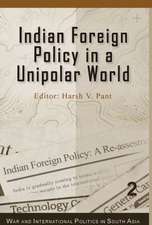 Indian Foreign Policy in a Unipolar WorldHarsh V. Pant-18%Preț: 1019.99 lei1243.89 lei
 -
 Chechnya - Russia's 'War on Terror'John RussellPreț: 416.58 lei
 -
 Dilemmas of Nuclear StrategyRoman Kolkowicz-15%Preț: 419.08 lei493.04 lei
 -
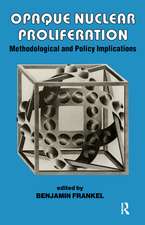 Opaque Nuclear Proliferation: Methodological and Policy ImplicationsBenjamin Frankel-18%Preț: 1117.76 lei1363.12 lei
 -
 Preventing the Use of Weapons of Mass DestructionEric HerringPreț: 374.14 lei
 -
 Deterrence in the Twenty-first CenturyMax G. Manwaring-18%Preț: 695.45 lei848.11 lei
 -
 Preventing the Use of Weapons of Mass DestructionEric HerringPreț: 203.73 lei
 -
 -28%Preț: 306.02 lei422.31 lei
 -
 Strategy in War and PeaceSenior Lecturer in Defence and International Affairs Aaron (Royal Military AcademySandhurst Royal Military Academy Sandhurst Royal Military Academy Sandhurst Royal Military Academy Sandhurst Royal Military Academy Sandhurst Royal Military Academy Sandhurst Royal Military Academy Sandhurst) Edwards-22%Preț: 602.31 lei771.01 lei
 -
 Preț: 433.33 lei
 -
 -20%Preț: 308.45 lei385.90 lei
 -
 Nuclear Deterrence and Conflict Management Between India and PakistanZia Ul Haque Shamsi-23%Preț: 619.40 lei804.42 lei
 -
 Selling Reagan's Foreign PolicyN. Stephen Kane-18%Preț: 738.19 lei900.23 lei
 -
 TRUMP AND IRAN FROM CONTAINMECBKaveh L. Afrasiabi-15%Preț: 658.41 lei774.59 lei
 -
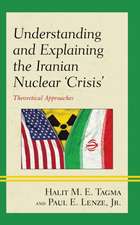 Understanding and Explaining the Iranian Nuclear 'Crisis'Jr.Paul E. Lenze-18%Preț: 699.00 lei852.44 lei
 -
 The Control Agenda – A History of the Strategic Arms Limitation TalksMatthew J. AmbrosePreț: 432.39 lei
 -
 Path to Zero: Dialogues on Nuclear DangersRichard A. FalkPreț: 351.12 lei
 -
 Hacking the BombAndrew FutterPreț: 248.26 lei
 -
 -31%Preț: 1111.91 lei1602.53 lei
 -
 -15%Preț: 625.23 lei735.56 lei
 -
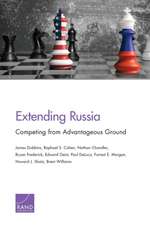 EXTENDING RUSSIA COMPETING FRPBBryan FrederickPreț: 358.15 lei
 -
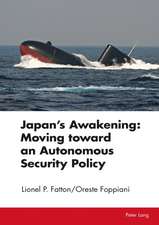 Japan's Awakening: Moving toward an Autonomous Security PolicyOreste Foppiani-23%Preț: 424.02 lei550.68 lei
 -
 India–Pakistan Strategic Relations – The Nuclear DilemmaChristoph BluthPreț: 289.37 lei
 -
 -16%Preț: 207.58 lei247.37 lei
 -
 United Nations Disarmament YearbookUnited Nations PublicationsPreț: 361.15 lei
Public țintă
GeneralCuprins
Proposed Contents
1 Introduction: Harsh V. Pant
Thematic Issues
2 Nuclear Deterrence: Chris Hobbs and Matthew Harries
3 Nuclear Energy and Proliferation: Henry Sokolski
4 Non-Proliferation and Counter Proliferation: Mark Fitzpatrick
5 Nuclear Weapons and Non-State Actors: Paul Wilkinson
6 The Nuclear Taboo: Nina Tannenwald
The Five Nuclear Powers
7 The USA: James Wirtz
8 Russia: Stephen Blank
9 The UK: Paul Ingram and Michael Collins
10 France: Corentin Brustlein
11 China: Jonathan Holslag
De-Factor Nuclear States
12 India: Chris Ogden
13 Pakistan: Bhumitra Chakma
14 Israel: Arielle Kandel
The ‘Problem’ States
15 Iran: Anoush Ehteshami
16 North Korea: Balbina Hwang
The ‘Threshold’ States
17 South Africa: Stephen Burgess
18 Japan: Takenori Horimoto
19 Egypt: Maria Rost Rublee
The Global Non-Proliferation Regime
20 The Non-Proliferation Treaty: Mark Hilborne
21 The Comprehensive Test Ban Treaty: Foundations, Context, and Outlook: Dean Knox
22 A Cut-Off of Production of Weapon-Usable Fissionable Material: Considerations, Requirements and IAEA Capabilities: Tariq Rauf
23 Trends in Missile Defense and Space Security: Challenging Non-Proliferation Priorities: Bharath Gopalaswami
24 The US-India Nuclear Deal: Great Power Politics versus Non-Proliferation: Harsh V. Pant
25 Nuclear Disarmament and Nuclear Proliferation: A Complicated Relationship: Tom Sauer
26 The Future: A Cautious Prognosis: Malcolm Davis
1 Introduction: Harsh V. Pant
Thematic Issues
2 Nuclear Deterrence: Chris Hobbs and Matthew Harries
3 Nuclear Energy and Proliferation: Henry Sokolski
4 Non-Proliferation and Counter Proliferation: Mark Fitzpatrick
5 Nuclear Weapons and Non-State Actors: Paul Wilkinson
6 The Nuclear Taboo: Nina Tannenwald
The Five Nuclear Powers
7 The USA: James Wirtz
8 Russia: Stephen Blank
9 The UK: Paul Ingram and Michael Collins
10 France: Corentin Brustlein
11 China: Jonathan Holslag
De-Factor Nuclear States
12 India: Chris Ogden
13 Pakistan: Bhumitra Chakma
14 Israel: Arielle Kandel
The ‘Problem’ States
15 Iran: Anoush Ehteshami
16 North Korea: Balbina Hwang
The ‘Threshold’ States
17 South Africa: Stephen Burgess
18 Japan: Takenori Horimoto
19 Egypt: Maria Rost Rublee
The Global Non-Proliferation Regime
20 The Non-Proliferation Treaty: Mark Hilborne
21 The Comprehensive Test Ban Treaty: Foundations, Context, and Outlook: Dean Knox
22 A Cut-Off of Production of Weapon-Usable Fissionable Material: Considerations, Requirements and IAEA Capabilities: Tariq Rauf
23 Trends in Missile Defense and Space Security: Challenging Non-Proliferation Priorities: Bharath Gopalaswami
24 The US-India Nuclear Deal: Great Power Politics versus Non-Proliferation: Harsh V. Pant
25 Nuclear Disarmament and Nuclear Proliferation: A Complicated Relationship: Tom Sauer
26 The Future: A Cautious Prognosis: Malcolm Davis
Notă biografică
Harsh V. Pant is a Reader in International Relations at King’s College London in the Department of Defence Studies. He is also an Associate with the King’s Centre for Science and Security Studies and an Affiliate with the King’s India Institute. His current research is focused on Asian security issues. His most recent books include Contemporary Debates in Indian Foreign and Security Policy (Palgrave Macmillan), The China Syndrome (HarperCollins), and The US—India Nuclear Pact: Policy, Process, and Great Power Politics (Oxford University Press).
Descriere
This new Routledge title sheds light on the diverse themes surrounding this very important issue area in international security. Readers will benefit from six major sections, each addressing an aspect of nuclear proliferation that is critical in determining the future trajectory of global politics. For example, why are we witnessing a move away from non-proliferation to counter-proliferation? There are case studies examining nuclear policies of the five established nuclear powers: the USA, Russia, the United Kingdom, France and the People's Republic of China. The book also examines the present state of the global nuclear non-proliferation regime, which most observers agree is currently facing a crisis of credibility.